
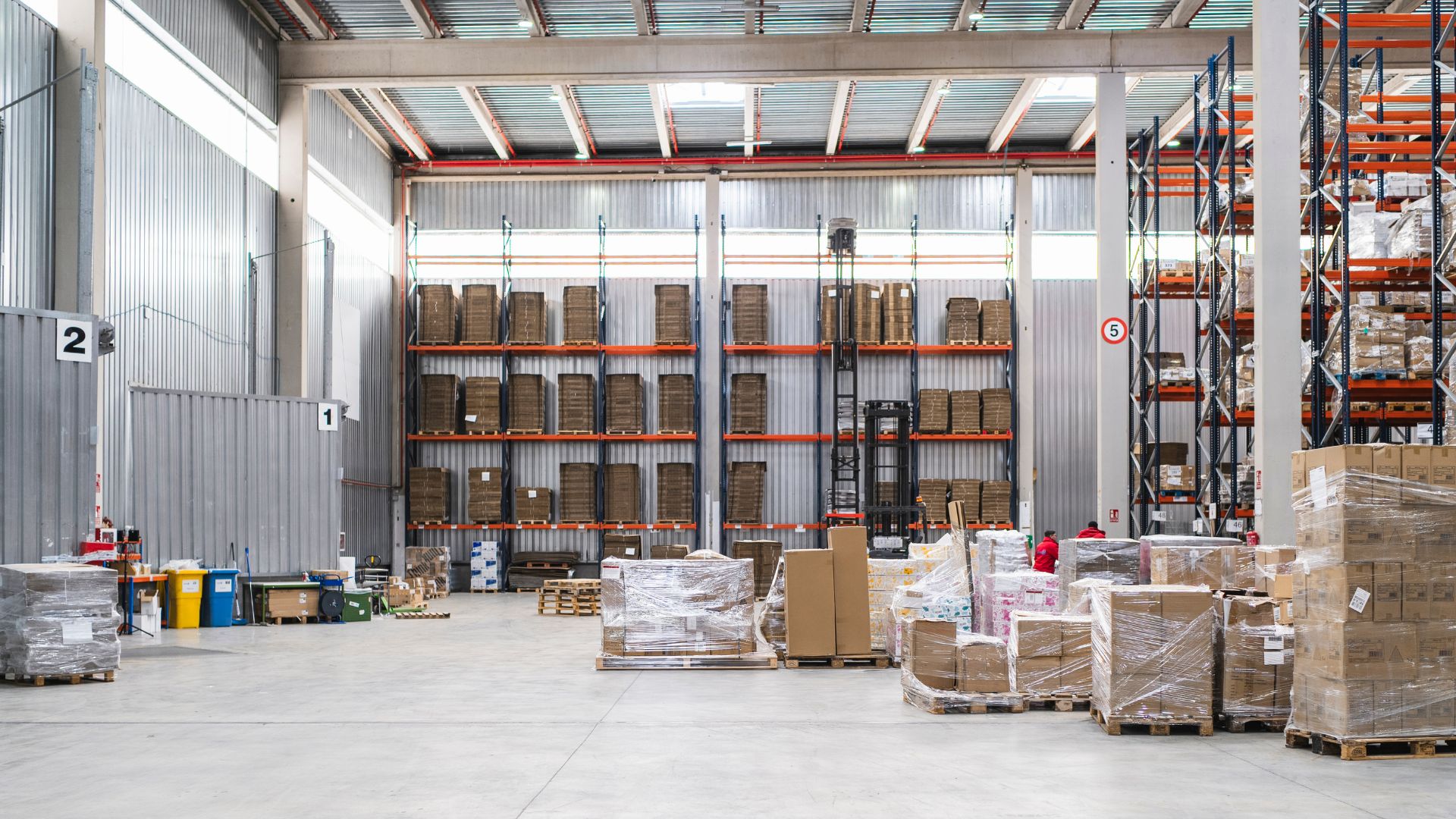






In industrial estates across Laguna and Cavite, business owners tell a similar story. Operations are running. Orders are coming in. Employees are showing up. On paper, the business is alive. Yet beneath that surface, many admit to an uncomfortable truth. One shock, one disruption, or one wrong month could push everything off balance.
This sense of fragility has become common across Philippine businesses, from small enterprises to mid-sized firms and even large corporations. Growth exists, but it feels thin. Survival feels conditional.
Thin Margins in a High-Cost Environment
Many businesses entered 2026 carrying scars from the past few years. Pandemic disruptions, supply chain breakdowns, inflation spikes, and volatile demand reshaped cost structures permanently. Prices rose quickly. Costs rarely came back down.
Electricity, fuel, logistics, rent, and labor all remain expensive. Passing these costs fully to consumers is difficult in a price-sensitive market. As a result, margins have narrowed.
A mid-sized food distributor in Bulacan reports steady sales volume but shrinking profitability. Every increase in transport or packaging eats into earnings. Raising prices risks losing customers. Holding prices erodes margins. The business operates in a constant balancing act.
Cash Flow Over Growth
For many firms, the priority has shifted from expansion to liquidity. Cash flow management now dominates decision-making. Inventory is kept lean. Hiring is cautious. Capital expenditures are delayed unless absolutely necessary.
This conservatism is not a lack of ambition. It is survival logic. Businesses that expanded aggressively before have learned how quickly conditions can reverse.
Banks report that many corporate clients remain hesitant to borrow even as interest rates ease. Debt is viewed cautiously, not as leverage for growth but as potential vulnerability if conditions worsen.
The Weight of External Shocks
What makes this environment particularly stressful is how exposed businesses feel to factors beyond their control. Extreme weather disrupts logistics and operations. Power interruptions halt production. Regulatory changes introduce uncertainty. Global events affect supply chains and demand without warning.
A construction firm in Central Luzon recounts how flooding delayed projects, increased costs, and strained client relationships. The business survived, but reserves were depleted. Another disruption of similar scale would be far harder to absorb.
This constant exposure makes planning difficult. Risk feels omnipresent rather than occasional.
Workforce Pressures Add Another Layer
Labor dynamics further complicate resilience. Workers are financially stretched, affecting morale and retention. Wage pressures rise even as businesses struggle to protect margins.
Employers face a dilemma. Raising wages supports employees but strains finances. Holding wages risks disengagement and turnover.
Training costs add to the burden. Skilled workers are hard to replace. Losing experienced staff during a fragile period can be destabilizing.
Why Confidence Feels Fragile
From the outside, many businesses appear stable. Inside, confidence is brittle.
Owners and executives speak of decision fatigue. Every choice feels consequential. There is little room for error. Reserves that once provided comfort have been drawn down to manage past crises.
This fragility affects behavior. Businesses avoid long-term commitments. Contracts are shorter. Investments are smaller. Flexibility is prioritized over scale.
Implications for the Economy
An economy where businesses feel one crisis away from trouble behaves differently. Hiring slows. Investment hesitates. Innovation becomes incremental rather than bold.
This does not mean collapse is imminent. It means growth is cautious and uneven.
For policymakers, understanding this sentiment matters. Stability is not just about headline growth numbers. It is about whether businesses feel confident enough to invest, hire, and plan.
For lenders and investors, it highlights the importance of realistic risk assessment and support structures that recognize operating fragility.
Building Resilience, Not Just Recovery
Resilience requires more than returning to pre-crisis levels. It requires buffers, predictability, and trust in systems.
Businesses that survive this period tend to focus on diversification, cost discipline, and strong relationships with employees, suppliers, and customers. They prioritize resilience over rapid expansion.
The prevailing mood is not pessimism. It is guarded realism.
Many Philippine businesses are still standing, still operating, still adapting. But they are doing so with the quiet awareness that stability is thinner than it looks. And until costs stabilize, risks ease, and confidence returns, many will continue to feel that they are operating just one crisis away from real trouble.