
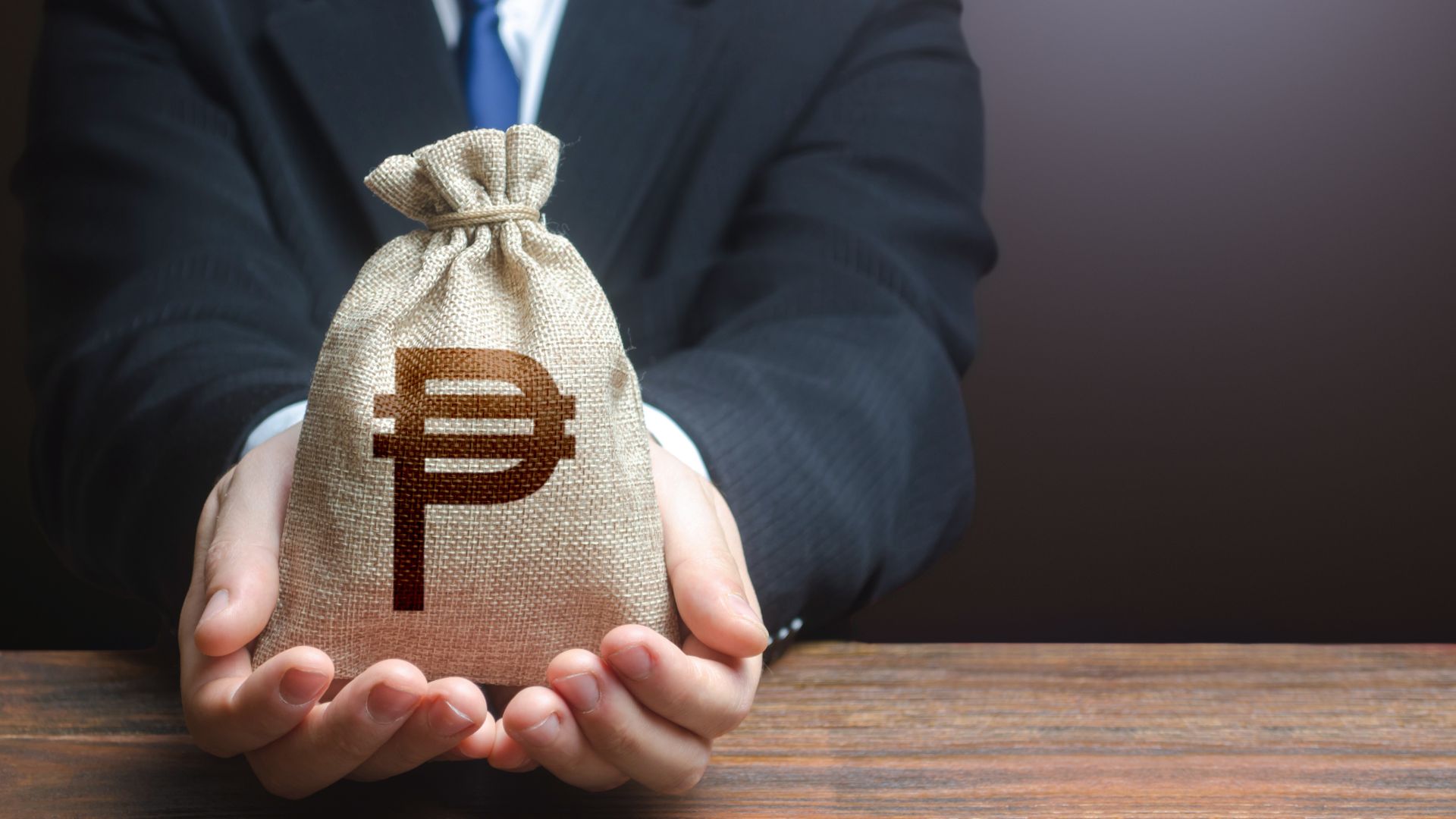






When the Securities and Exchange Commission (SEC) confirmed that ₱1.7 trillion in market wealth had evaporated within weeks due to corruption-linked panic, the headline didn’t just rattle traders; it exposed a deeper crisis at the heart of the Philippine financial system: a trust deficit that money alone cannot fix.
The trigger was the still-unfolding flood control corruption scandal, a sprawling controversy implicating government officials and contractors in alleged ghost projects and padded contracts. But the consequence went far beyond infrastructure. The scandal set off a chain reaction that gutted investor confidence, erased billions in equity value, and underscored how corruption is now a systemic market risk, not just a moral failing.
The Market Fallout
In mid-September, the Philippine Stock Exchange Index (PSEi) slipped below 6,000, dragging valuations across blue-chip and mid-cap stocks. Within three trading weeks, market capitalization plunged by roughly ₱1.7 trillion, or nearly 7% of total listed wealth.
According to SEC Chairperson Emilio Aquino, the selloff was “a manifestation of lost confidence, not weak fundamentals.” Most listed firms remained profitable, debt levels were stable, and macroeconomic indicators — inflation, remittances, and reserves — had not worsened significantly. What changed was sentiment.
Foreign investors fled first, pulling out billions amid governance fears, while local traders followed, wary of political contagion. Pension funds and institutional investors quietly rebalanced portfolios toward bonds and cash, signaling a flight to safety.
“The markets punished not earnings, but ethics,” one fund manager said. “Investors can price in inflation or interest rates. What they can’t price in is corruption.”
The Economics of Distrust
Capital markets are built on three pillars: transparency, predictability, and fairness. Corruption erodes all three.
When investors suspect collusion in public projects or regulatory capture within government, every financial statement, disclosure, and policy announcement becomes suspect. That uncertainty raises risk premiums, effectively taxing the entire economy.
In the Philippines, this distrust translates to lower price-to-earnings ratios, thinner liquidity, and a chronic undervaluation compared to regional peers like Indonesia and Vietnam. Analysts say that while Philippine corporations are fundamentally strong, governance perception keeps valuations depressed, with the market often trading at a 20–30% discount versus ASEAN benchmarks.
This “corruption discount” isn’t just theoretical — it costs billions in unrealized wealth and diverts capital that could have created jobs or built infrastructure.
The Ripple Effects
For Investors
Retirement funds, insurance portfolios, and retail investors bear the immediate losses. The ₱1.7 trillion market wipeout shrinks long-term savings and dents investor morale. For foreign funds, it reinforces a perception that Philippine markets are vulnerable to political shocks.
For Companies
Publicly listed firms now face greater pressure to demonstrate internal accountability — independent boards, audit transparency, and ESG compliance are no longer optional. Firms associated, even tangentially, with tainted sectors are seeing credit downgrades and higher borrowing costs.
For Workers and the Public
When markets falter, companies slow expansion, delay hiring, or scale back benefits. Local governments dependent on business taxes see slower revenue growth. Ultimately, it’s everyday Filipinos, not the power brokers, who absorb the hidden costs of corruption through fewer opportunities and higher living costs.
Can Confidence Be Rebuilt?
The SEC has moved quickly, rolling out a series of reform and digitalization initiatives meant to rebuild trust: reducing transaction fees, improving disclosure accessibility, and introducing incentives for sustainability-linked listings. But investors remain skeptical — they’ve heard promises before.
True reform, analysts argue, must go beyond administrative cleanup. It requires a visible commitment to accountability: prosecutions of wrongdoers, recovery of public funds, and protection for whistleblowers.
As one economist put it, “Capital doesn’t just need returns; it needs reassurance.”
The Price of Complacency
The ₱1.7 trillion wealth loss is a stark reminder that corruption is not an abstract governance issue; it is a measurable, quantifiable economic liability. For every peso siphoned through fraud, the market punishes tenfold in lost confidence, capital flight, and slower growth.
Until institutions regain credibility, investors will keep one foot out the door, and the Philippine market will remain undervalued not because its companies aren’t capable, but because its system isn’t trusted.
Bottom Line:
Markets can forgive mistakes. What they cannot forgive is the sense that the game is rigged. The true cost of corruption isn’t just the billions stolen; it’s the trillions in trust destroyed.