
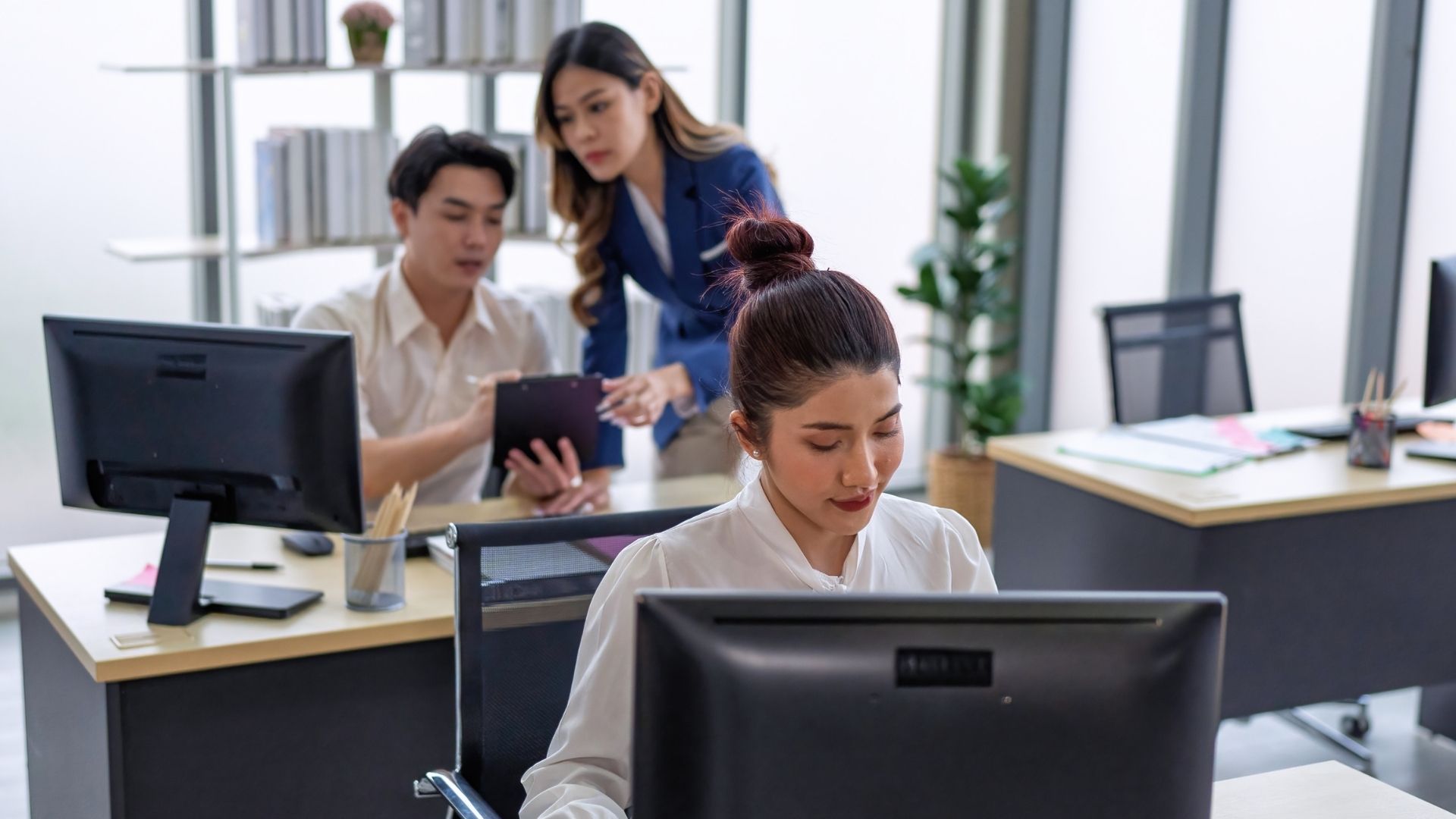






On a Monday morning in Makati, office elevators fill again at 8 a.m. ID cards are tapped, security guards wave employees through, and desks that sat empty for months are once more occupied. On paper, the return to the office has been successful. Attendance is up. Floors are active.
Meetings happen face-to-face again.
Yet beneath the restored routines lies a quiet disconnect. Many Filipino employees returned physically, but not emotionally. What broke during the pandemic was not productivity. It was trust. And that trust has proven harder to restore than office occupancy.
Remote Work Changed Expectations
During lockdowns, workers across industries demonstrated that work could continue without constant supervision. Deadlines were met. Clients were serviced. Businesses survived. For many employees, remote work was not a perk. It was proof of capability.
A project manager in Ortigas recalls delivering her most productive year while working from home. Her team met targets, reduced overtime, and improved client satisfaction. When her company later mandated full onsite work with strict attendance monitoring, the message she heard was not about collaboration. It was about doubt.
For employees who proved themselves under flexible arrangements, rigid return policies felt less like a necessity and more like a withdrawal of trust.
From Flexibility to Control
Many return-to-office programs emphasize visibility. Badge swipes, time tracking systems, and fixed schedules have reasserted themselves. Presence has become a proxy for productivity.
Managers argue that culture, mentoring, and collaboration require physical proximity. Employees do not disagree entirely. What frustrates them is the lack of nuance. The shift often feels unilateral, imposed without meaningful consultation or acknowledgment of what worked.
A software engineer in Bonifacio Global City notes that performance evaluations now seem to prioritize attendance over output. Being seen matters more than being effective. The result is compliance without commitment.
The Cost of Coming Back
Returning to the office carries real costs. Transport expenses rise with fuel price volatility. Commute times stretch as traffic returns. Daily fatigue accumulates.
For a customer service supervisor in Antipolo, the return to onsite work added nearly ₱4,000 a month in transport costs and two hours of daily travel time. Her salary did not change. The tradeoff feels one-sided.
These costs are not just financial. Time lost to commuting is time not spent resting, learning, or earning elsewhere. For workers already navigating rising living expenses, this loss feels punitive rather than productive.
Quiet Disengagement Takes Hold
Most employees do not resign in protest. Instead, they disengage quietly. Effort narrows to what is required. Discretionary energy disappears. Loyalty becomes conditional.
This is not rebellion. It is self-preservation. When trust erodes, employees protect themselves by reducing emotional investment.
Businesses often misread this as generational entitlement or post-pandemic complacency. In reality, it is a rational response to feeling controlled rather than respected.
What This Means for Employers
From a business perspective, the erosion of trust carries long-term consequences. Engagement declines. Innovation suffers. High performers leave first, often quietly.
Replacing talent is expensive. Rebuilding morale is harder. Policies that prioritize control over outcomes may deliver short-term order but undermine long-term performance.
Companies that retain trust tend to adopt more flexible, outcome-based approaches. Hybrid models, clear expectations, and genuine dialogue signal confidence rather than chaos.
Rebuilding Trust, Not Just Attendance
Trust cannot be mandated through policy. It must be rebuilt through consistency and respect. Employees want clarity, not micromanagement. They want to be evaluated on results, not proximity.
The future of work in the Philippines is not about location. It is about whether organizations believe their people are capable adults who can manage responsibility.
Offices may be full again. But until trust returns, many will remain only partially present. And in an economy that increasingly values creativity, judgment, and initiative, partial presence may be the most expensive cost of all.