






Philippine economic growth is settling into a more measured pace, marking a clear departure from the pre-pandemic norm.
Government projections now show the economy expanding below its historical 6 percent average. Growth targets for 2026 have been revised to 5 percent to 6 percent, while 2027 is pegged at a slightly higher 5.5 percent to 6.5 percent range. The recalibration reflects a more sober assessment of the country’s operating environment, shaped by persistent global uncertainties and the lingering drag of a corruption scandal that has weighed on government execution and investment momentum.
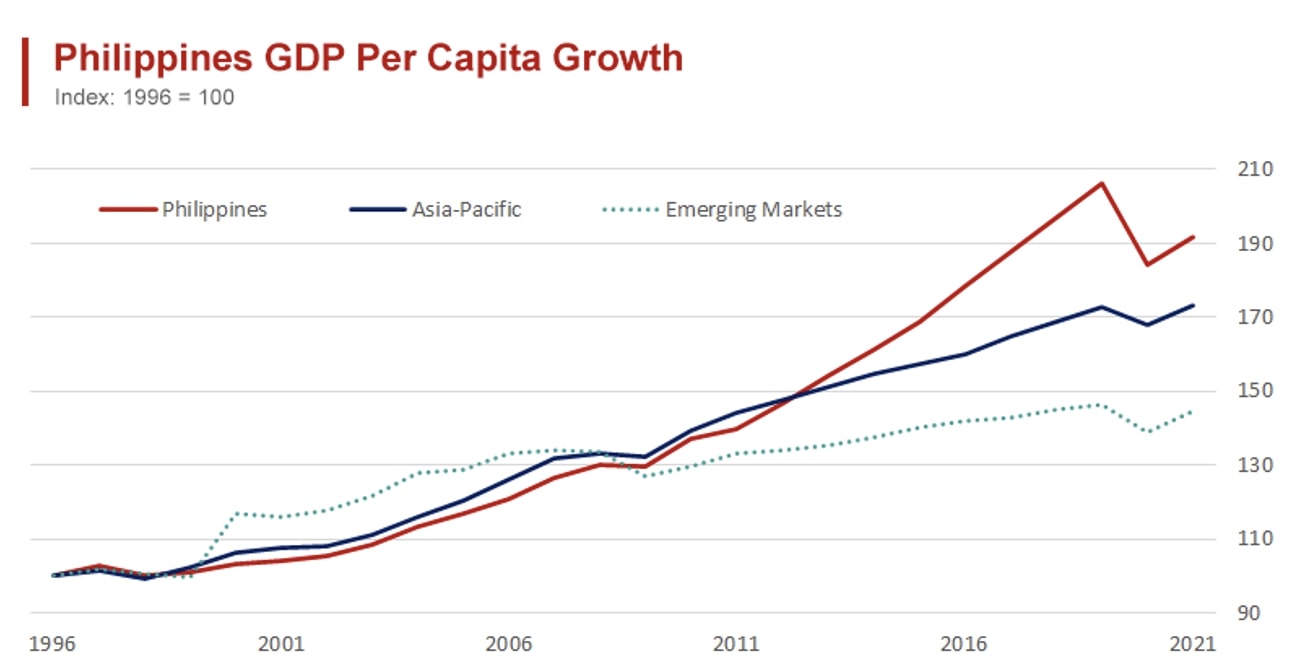
The adjustment signals realism rather than retreat. Policymakers are acknowledging that the tailwinds that once propelled faster expansion have weakened. Global growth remains uneven, geopolitical risks continue to cloud trade and capital flows, and investor sentiment has become more selective. Domestically, confidence has been tempered by concerns over governance and the pace of public spending, both critical drivers of economic activity.
Yet within this slower growth story lies an important counterbalance: inflation.
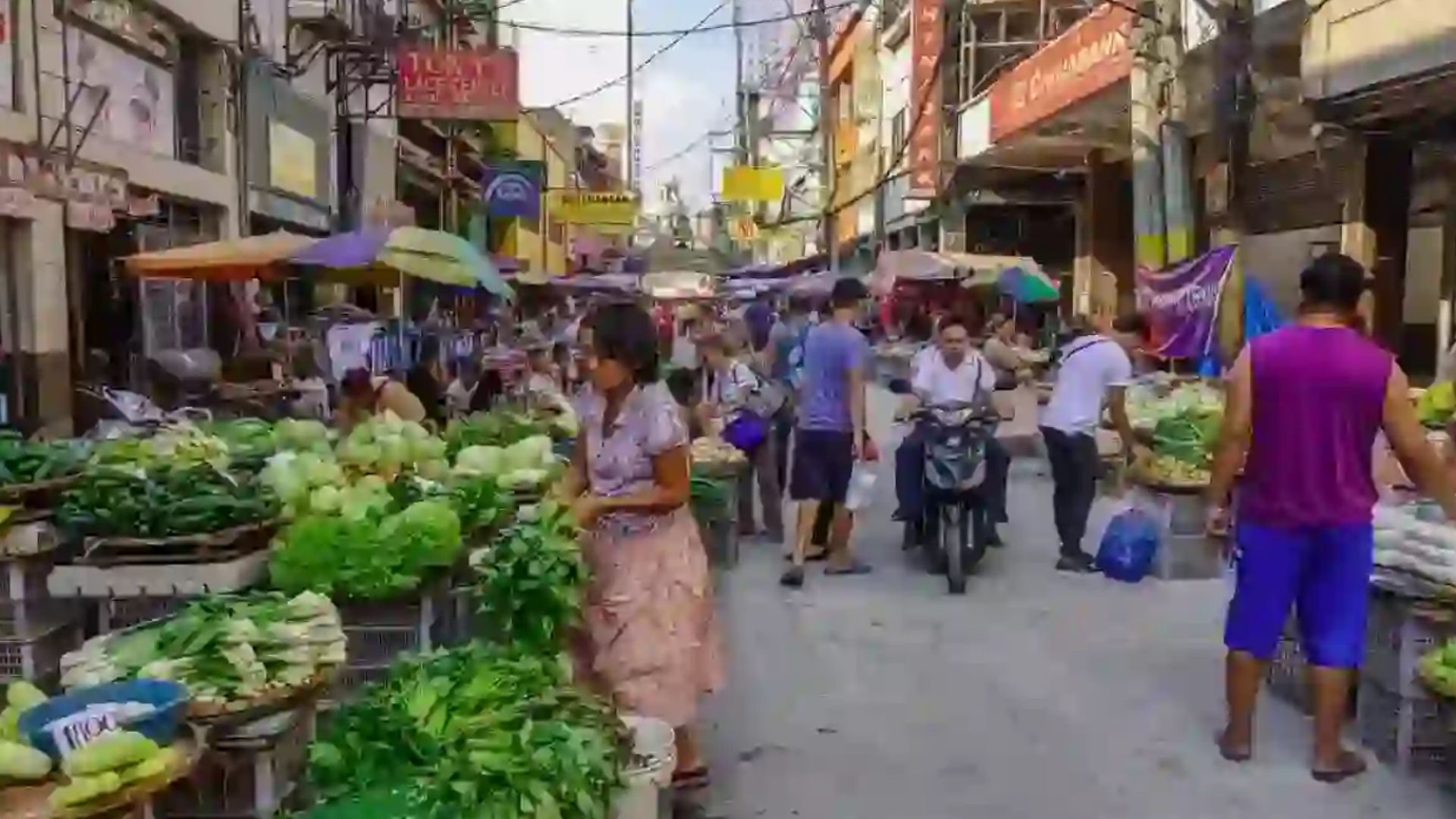
Price pressures have eased markedly over the past three years. Inflation averaged just 1.7 percent in 2025, down sharply from 3.2 percent in 2024 and a peak of 6.0 percent in 2023. This deceleration has had tangible effects on household budgets. Everyday expenses such as food, transport, and utilities are still rising, but at a much gentler pace, easing the strain on consumers after years of elevated costs.
That moderation in prices is quietly reshaping the economic narrative. Lower inflation supports real purchasing power, encouraging households to spend rather than retrench. Consumption, which remains the backbone of the Philippine economy, is benefiting from this environment, helping to cushion the impact of slower public and private investment growth.
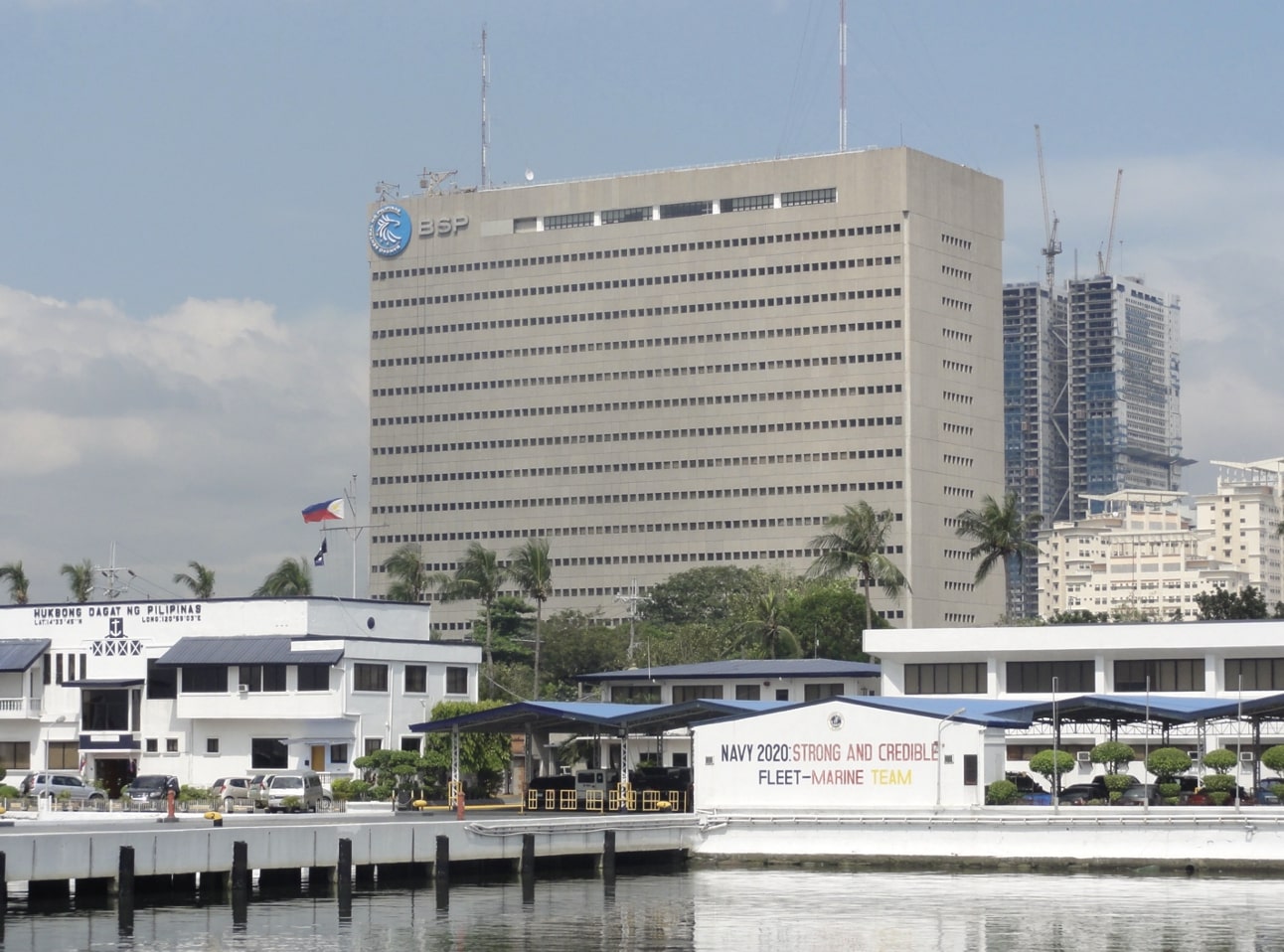
The inflation outlook for 2026 reinforces this sense of guarded stability. BDO expects inflation to average around 3.0 percent, well within the 2 percent to 4 percent target range of the Bangko Sentral ng Pilipinas, assuming no major supply shocks disrupt the system. This projection gives monetary authorities room to maintain a supportive stance, balancing growth concerns against the need to preserve price stability.
For businesses, the environment presents a mixed but navigable landscape. Slower headline growth suggests fewer easy wins, particularly for sectors dependent on large-scale government projects or rapid capital inflows. At the same time, stable inflation reduces cost volatility, improves planning visibility, and supports consumer-facing industries that rely on steady demand.
For policymakers, the challenge is more delicate. With growth running below its former trend, confidence becomes a critical variable. Addressing governance concerns, accelerating credible infrastructure spending, and restoring investor trust will be essential if the economy is to push toward the upper end of its revised targets.
The broader implication is that the Philippine economy is transitioning from a rebound phase to a normalization phase. The extraordinary growth spurts associated with post-pandemic reopening have faded, replaced by a slower but potentially more sustainable trajectory. Inflation no longer dominates the conversation, but growth quality, execution, and credibility do.
In this reset, success may no longer be measured by how fast the economy expands but by how well it balances stability, consumption strength, and long term confidence. Slower growth paired with manageable inflation may not excite headlines, but it offers something equally valuable: room to rebuild resilience in an uncertain world.