
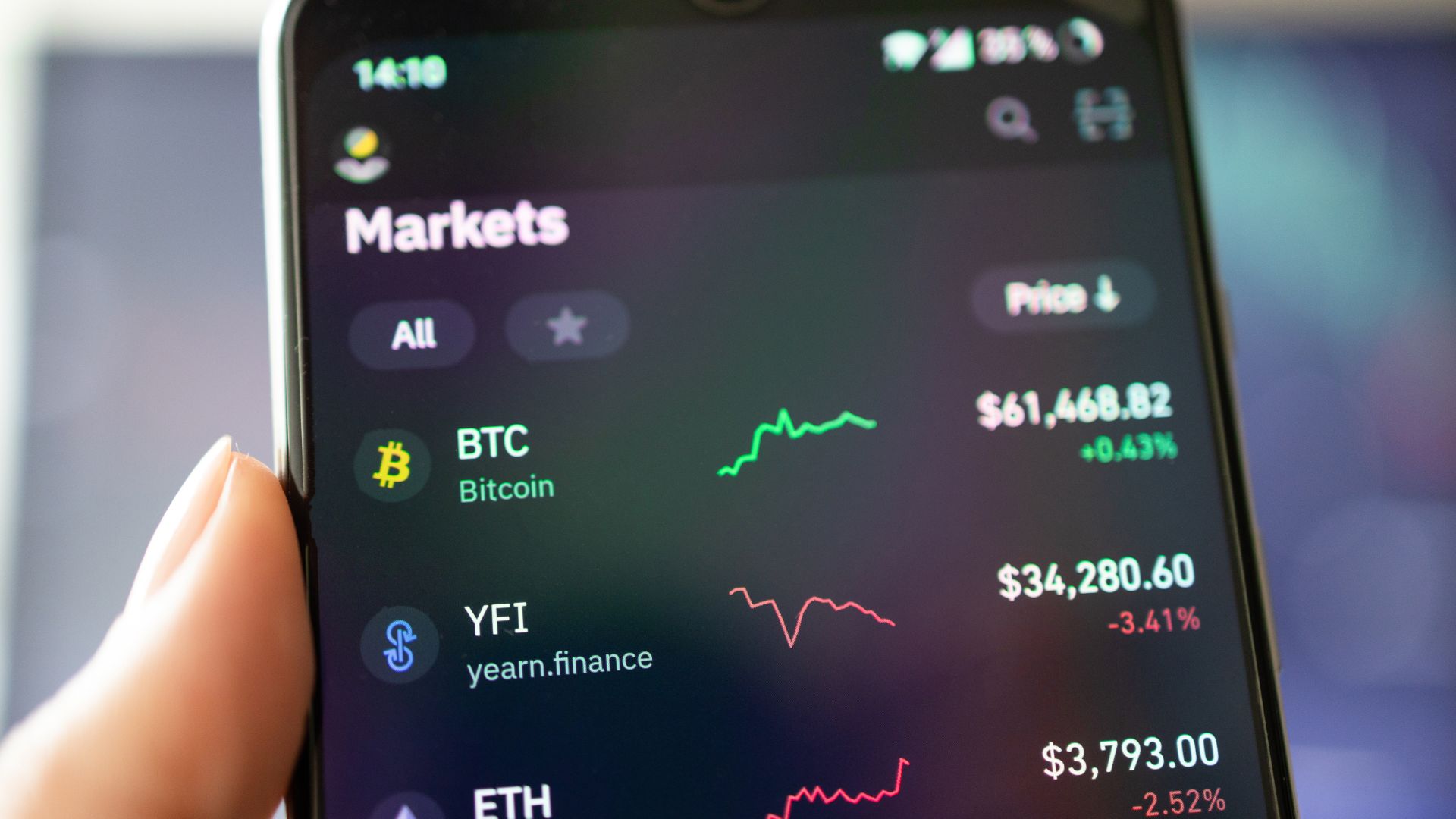






The Philippines has long been a hotspot for cryptocurrency adoption, with young Filipinos, play-to-earn gamers, and remittance users turning to digital assets faster than banks could keep up. But by 2025, the free-for-all atmosphere has shifted into a much stricter, regulated market.
The Securities and Exchange Commission (SEC) now enforces its new Crypto Asset Service Provider (CASP) rules, requiring exchanges to have at least ₱100 million in capital, a local office, and full AML/KYC compliance. At the same time, the Bangko Sentral ng Pilipinas (BSP) is preparing to lift its moratorium on issuing new Virtual Asset Service Provider (VASP) licenses, opening the door for more—but properly regulated—players.
The clampdown is already visible. Global giants like Binance, Bybit, OKX, and KuCoin have been blocked for operating without authorization. Internet service providers are under orders to restrict access, though apps remain informally available. For traders, the message is clear: stick to licensed platforms, or risk losing your assets.
While some critics say the new requirements raise barriers to entry, regulators argue they are essential for protecting consumers and curbing fraud. In the long run, analysts expect a more mature market with fewer but stronger players, greater transparency, and deeper integration into the country’s financial system.
Bottom line: Crypto is still booming in the Philippines, but the era of “anything goes” is officially over.