
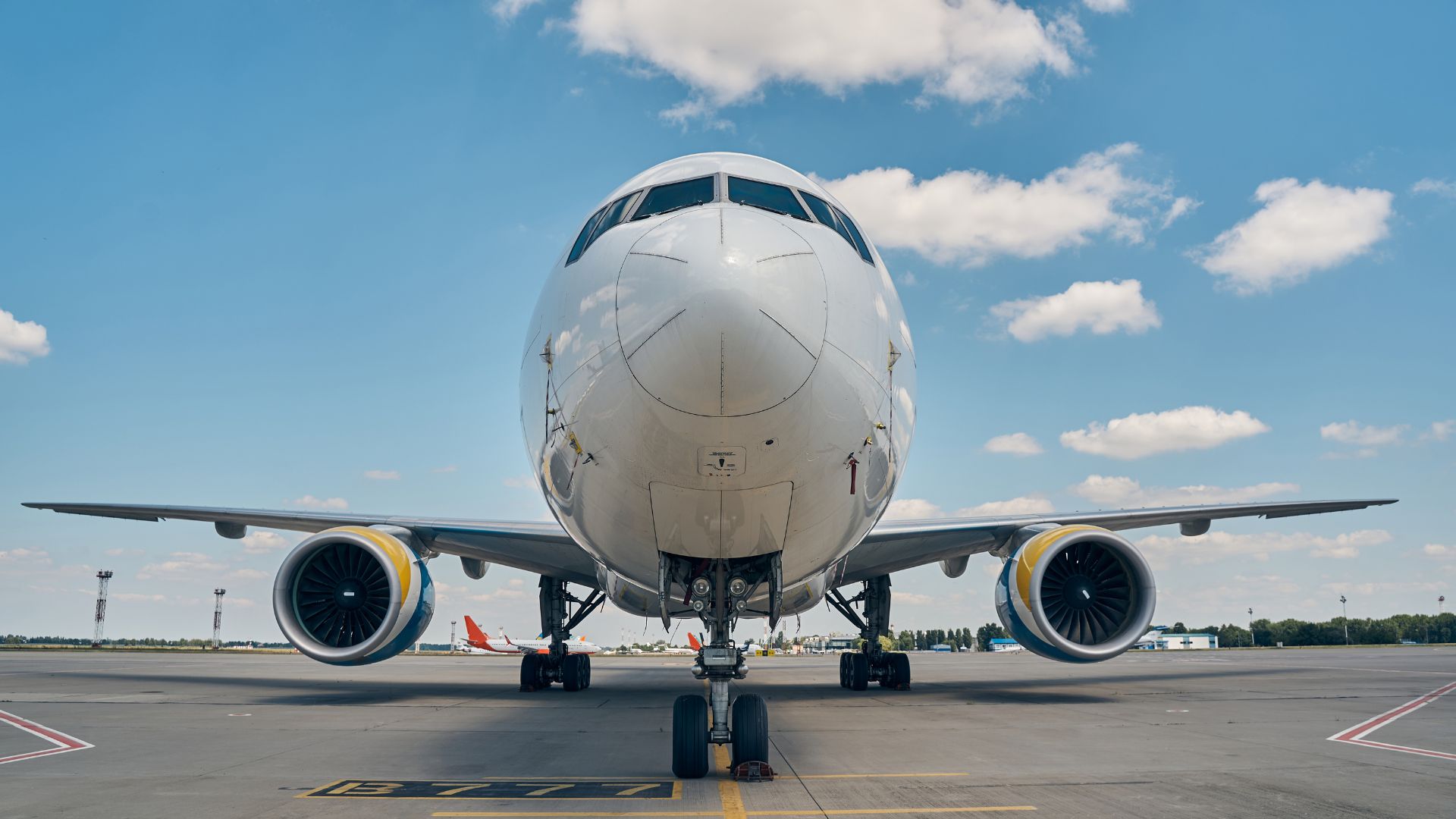






The Philippine airline industry is in the middle of a reinvention. After the pandemic grounded fleets and battered balance sheets, carriers are now charting new routes, literally and figuratively, to secure long-term survival. But as they refresh fleets, experiment with business models, and expand international networks, they face the same headwinds: rising costs, operational challenges, and intense pressure to deliver reliability.
PAL’s Big Bet: Comfort + Connectivity
Philippine Airlines (PAL), the country’s flag carrier, is betting on comfort and connectivity to set itself apart. The airline has begun rolling out its first retrofitted A321s, part of a three-year cabin overhaul program designed to modernize passenger experience. These refurbished planes will fly to Tokyo, Osaka, Bali, and Guam before being deployed across PAL’s regional network.
The refresh is part of a broader fleet strategy. PAL expects its aircraft count to grow from 79 to nearly 90 by 2026, a significant expansion for a company that only a few years ago was restructuring debt to stay afloat. Under new leadership, PAL is positioning this phase as a pivotal moment of renewal, combining improved service with network growth.
The carrier is also deepening its international footprint. Starting late 2025, PAL will operate a nonstop Cebu–Guam service, and flights between Seattle and Manila are being boosted from three to five per week to serve the large Filipino community in North America.
Impact: For passengers, the upgrades mean better comfort and more direct travel options, particularly for those outside Manila. For staff, expansion brings more opportunities but also new strains on training, rostering, and maintenance. For investors, PAL’s challenge is balancing the cost of fleet renewal with the need to keep yields and occupancy rates high.
Cebu Pacific’s Unconventional Move
Budget giant Cebu Pacific is taking a very different approach. Known for its low-cost model, Cebu is testing new ways to monetize idle assets. For the first time in its history, the airline has agreed to wet-lease two Airbus A320s to Saudi carrier flyadeal during lean months. The arrangement includes crew and maintenance—turning what would have been idle capacity into revenue streams.
This novel experiment signals Cebu’s willingness to push the boundaries of what a low-cost carrier can do. It allows the airline to keep utilization high while protecting its core domestic and international operations. At the same time, Cebu is aggressively expanding routes from its hubs in Cebu, Clark, Davao, Iloilo, and Manila, chasing underserved markets and preparing for continued growth in travel demand.
Impact: For travelers, the wet-lease may mean fewer options during off-peak months, but revenues earned abroad could keep fares competitive when demand surges. For Cebu’s workforce, it shows a company ready to adjust, though it could also mean fluctuating schedules and assignments. For investors, the move demonstrates agility, but it also raises questions about sustainability if fuel prices spike or if operational issues mount.
The Cloud Over the Skies: Delays and Cancellations
While both PAL and Cebu Pacific are pursuing ambitious strategies, the skies are not without turbulence. PAL Express recently faced widespread cancellations across domestic routes, including Manila, Cebu, and Siargao. These disruptions highlight the ongoing industry challenges: aircraft maintenance backlogs, crew availability issues, limited airport slots, and unpredictable weather.
Such operational hiccups cut directly into passenger confidence. For leisure travelers, cancellations mean missed vacations. For business passengers, they mean missed opportunities. And for the airlines, every delay erodes brand trust and competitive positioning.
Shared Risks, Different Models
Despite their different strategies, PAL’s premium service and Cebu’s budget model, both carriers face similar risks:
- Fuel volatility and inflation: Jet fuel remains the biggest cost component, and spikes hit margins fast.
- Airport constraints: Manila’s limited runway and terminal capacity continue to choke growth unless new airports are fast-tracked.
- Regulatory and tax pressures: Government fees and charges can make operations less profitable, with higher fares passed to consumers.
- Safety and maintenance: With aging fleets still in circulation, backlogs in maintenance pose risks of cancellations or worse.
The Bottom Line
The Philippine airline industry is not just recovering. It’s reinventing itself. PAL is betting on comfort, connectivity, and international growth. Cebu Pacific is betting on flexibility, experimentation, and efficiency. Both are navigating a market that demands resilience and adaptability.
For passengers, the horizon looks brighter: more routes, more comfort, and more choices. For workers, it’s both an opportunity and a challenge—greater demand for skills, but also more volatile schedules. For investors, the skies ahead depend less on bold strategies and more on consistent execution.
The turbulence isn’t over. But as PAL and Cebu chart their new courses, one thing is clear: the future of Philippine aviation will be shaped as much by innovation and discipline as by ambition.