
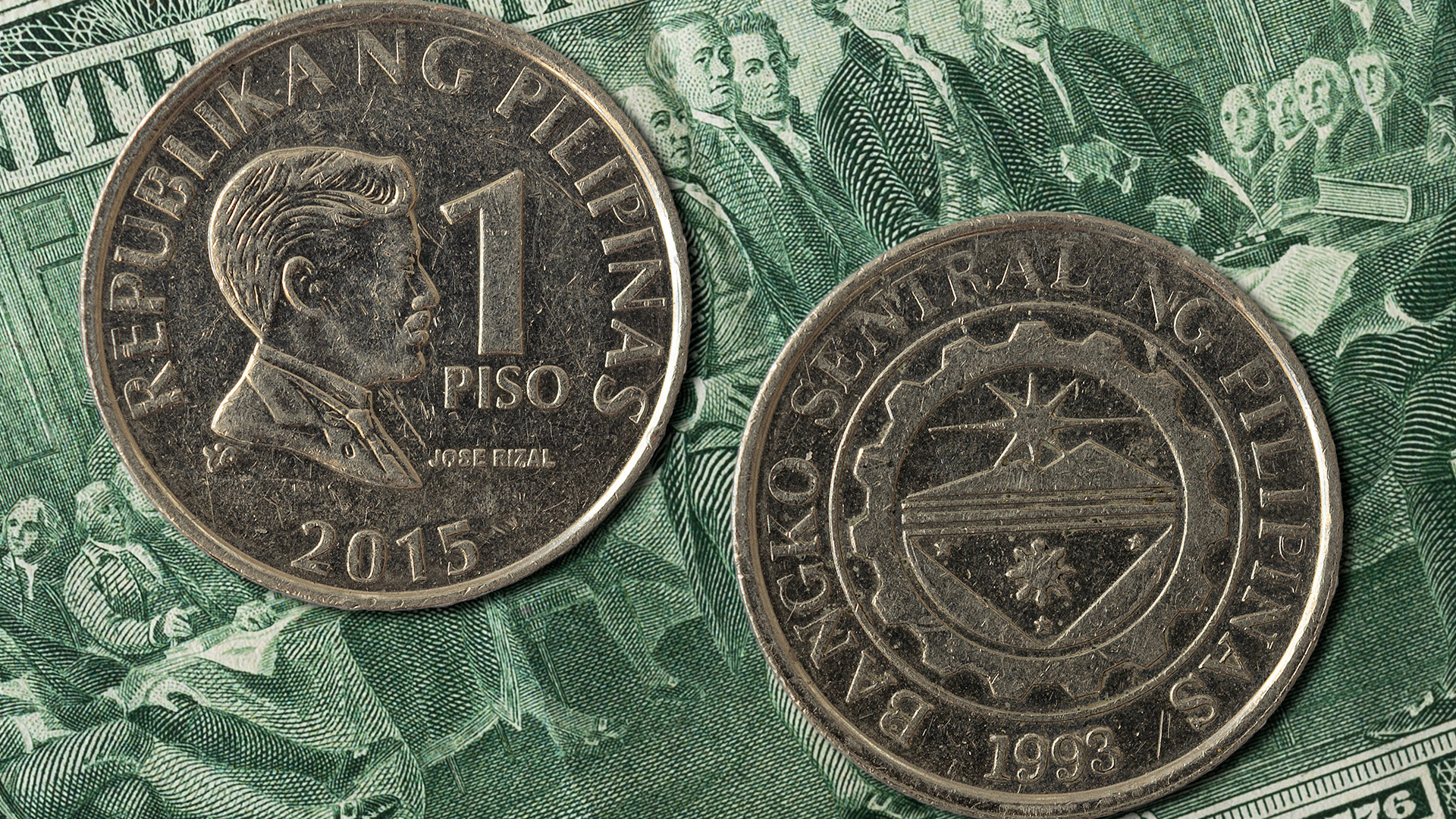






The peso closed July at ₱58.33 to the dollar, its weakest level since 2023, after the Bangko Sentral ng Pilipinas (BSP) hinted at further monetary easing. Governor Eli Remolona said another rate cut is “quite likely” in August, with two more possible before year-end, citing easing inflation at 0.9% in July.
The dovish stance has spooked investors, who worry that aggressive cuts may worsen peso weakness at a time when the U.S. dollar is rebounding on new trade agreements with the EU and Japan. The stronger greenback has gained 3.2% in July, boosted by tariff ceilings of 15% that improved investor confidence.
Local bond yields inched lower in anticipation of rate cuts, but analysts warn of a trade-off: cheaper borrowing costs could fuel growth, but at the risk of capital flight and imported inflation.
“Cuts are positive for consumption and credit, but they’re double-edged when the peso is already at ₱58,” said one market strategist. “If the Fed stays hawkish longer, we’re exposed.”