
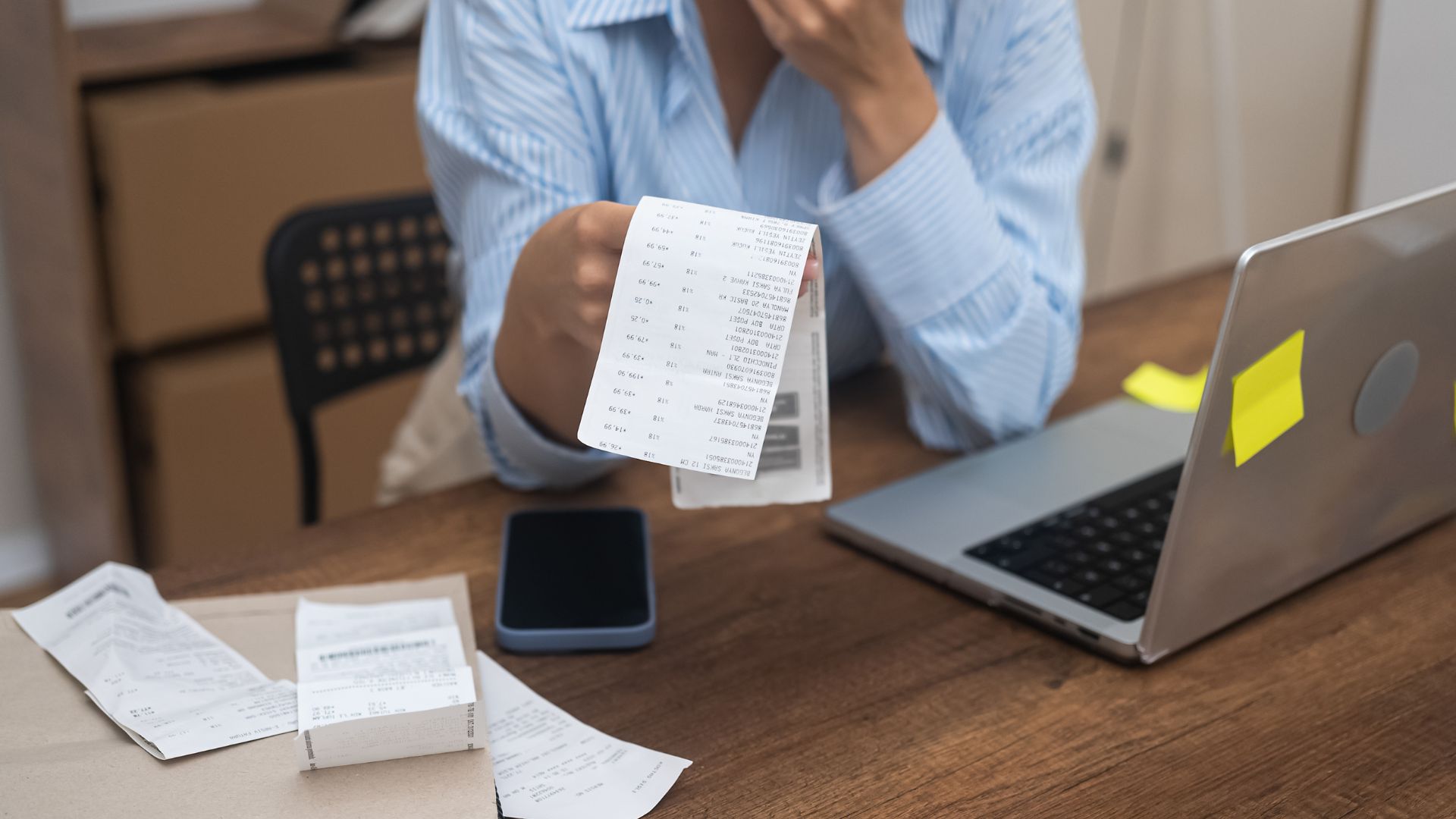






The peso’s weakness has moved beyond financial charts and into the grocery aisles. With the exchange rate hovering near 59 to the dollar, imported goods from fuel to flour are becoming more expensive. Families are adjusting budgets, cutting back on dining out, and delaying non-essential purchases.
According to BDO Securities, the peso’s depreciation is being driven by persistent trade deficits and renewed foreign outflows. While the situation benefits households receiving remittances, the broader impact is higher living costs. Transport operators face another round of fuel price increases, which may soon translate to fare hikes.
Small businesses are also feeling the strain. Importers of construction materials, electronics, and automotive parts are passing higher costs to consumers. Retailers report slower foot traffic as inflation fatigue sets in. Economists warn that if the peso stays weak through year-end, consumer sentiment could decline further, complicating the government’s growth targets for 2026.
For ordinary Filipinos, the challenge is clear. Their income remains the same, but the value of every peso continues to shrink. The government’s ability to stabilize prices and sustain spending will determine whether confidence returns or anxiety deepens heading into the new year.