
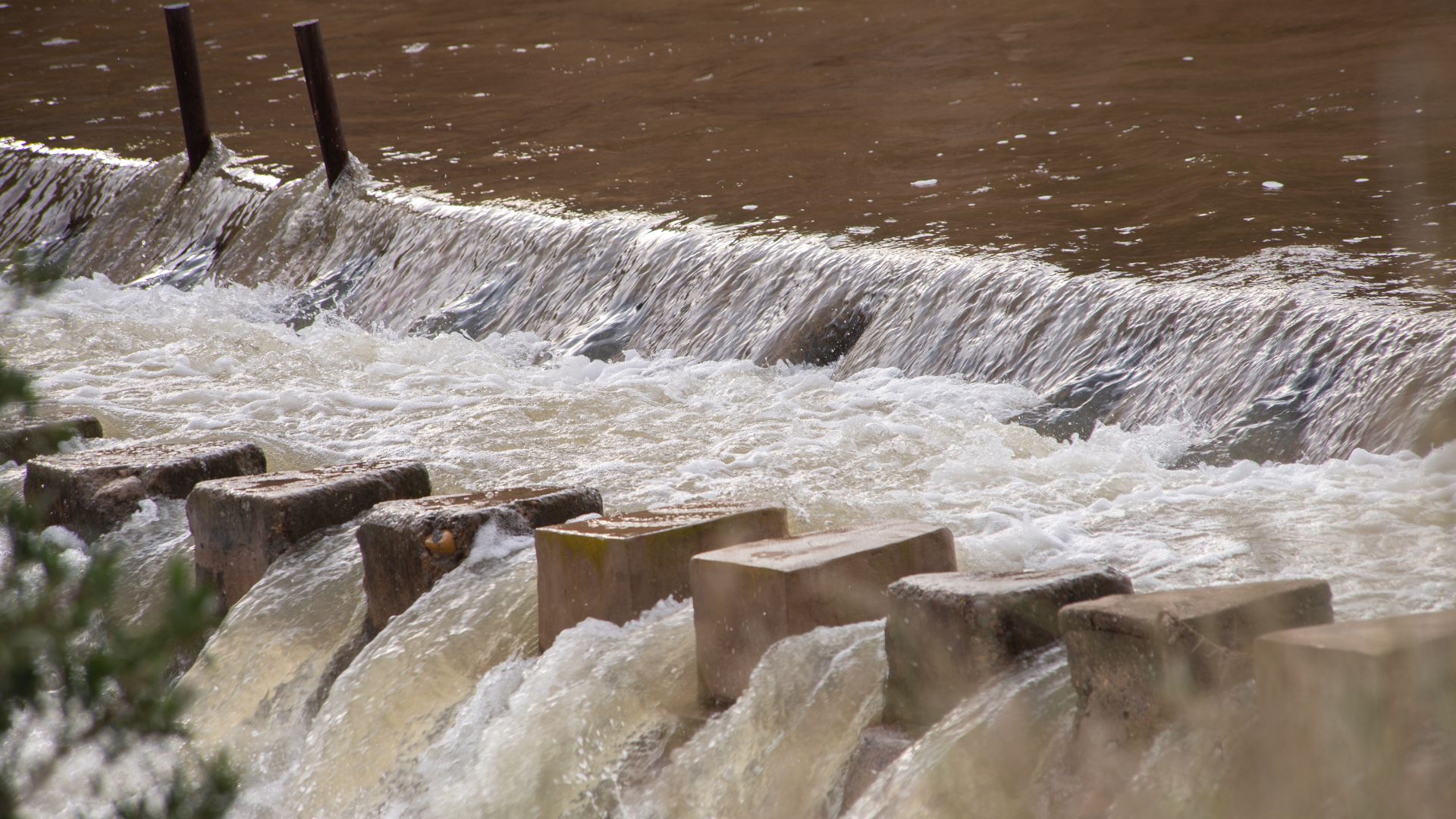






The Philippines is once again facing a familiar storm – this time not from swollen rivers or seasonal typhoons, but from allegations of massive corruption in flood control projects across the country. What was supposed to be a lifeline against flooding has instead become a showcase of ghost projects, bloated contracts, and questionable contractors.
The Anatomy of the Scandal
Investigations point to a network of favored contractors winning billions worth of projects despite poor track records. Reports suggest duplicate allocations, substandard materials, and even non-existent projects tucked inside the Department of Public Works and Highways’ (DPWH) flood control budget. Critics argue that political patrons have long treated flood mitigation as a lucrative source of pork-barrel-style kickbacks.
The timing couldn’t be worse. With the rainy season intensifying and climate risks rising, the need for reliable flood defenses is more urgent than ever. Instead, taxpayers are left wondering whether the billions allocated actually translate into safer communities—or just deeper pockets for a few.
Why It Matters
Flood control is not just about engineering; it’s about trust. When dikes collapse or pumping stations fail, lives and livelihoods are at stake. The scandal undermines confidence not only in the DPWH but also in the broader infrastructure program of the government. Investors, too, are watching closely uncertainty in public works governance raises questions about the Philippines’ credibility as a safe destination for infrastructure capital.
The Ripple Effect
- For communities: Corruption means more flooded homes, lost crops, and damaged livelihoods. Ordinary Filipinos end up paying twice—once in taxes, and again in rebuilding costs.
- For workers and contractors: Honest engineers, project managers, and construction workers see their reputations tainted and opportunities limited as the industry gets dragged into scandal.
- For the economy: Infrastructure is the backbone of growth. If flood control spending is compromised, broader infrastructure projects may face delays, reduced funding, or cost overruns.
The Credibility Test
Calls are mounting for an overhaul of procurement processes, stricter auditing of flood control allocations, and harsher penalties for collusion. Transparency advocates warn that unless reforms are implemented swiftly, public skepticism will linger—hurting not only flood projects but the entire “Build Better More” infrastructure push.
Bottom Line
The flood control controversy is more than a corruption scandal—it’s a stress test for the government’s ability to deliver basic public goods. The next typhoon season will not wait for court hearings or audit reports. Unless trust is restored, every heavy downpour will carry not just floodwaters, but the weight of doubt over whether billions in public funds were washed away long before the rains came.
What this means for citizens: Expect more pressure on government agencies to prove accountability. For families in flood-prone areas, however, it’s a grim reminder: corruption doesn’t just cost money—it costs safety.