
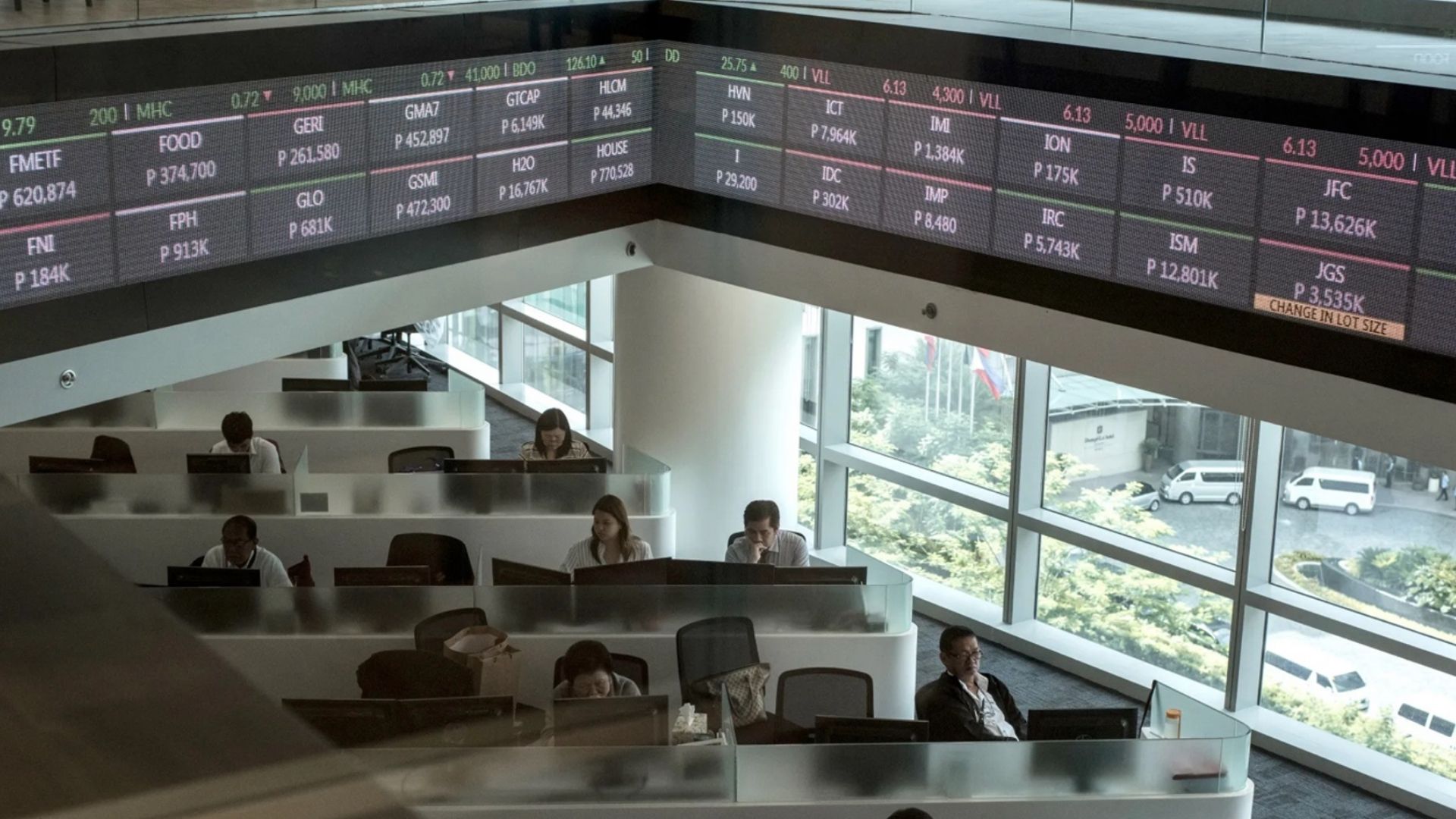






The Philippine equity capital markets are entering 2026 with restraint rather than exuberance.
After a year that delivered only two initial public offerings against an earlier target of six, the Philippine Stock Exchange is calibrating expectations. The local bourse is setting a modest goal of about four IPOs this year, a signal that while the pipeline remains open, optimism is being tempered by market realities.

At the center of this recalibration is a cautious but not defensive stance. Ramon S. Monzon, president and chief executive officer of the exchange, said the PSE is targeting to raise between PHP170 billion and PHP175 billion in total capital this year. That figure would exceed the PHP144.14 billion raised in 2025, even as the number of new equity listings remains limited.
The message from the exchange is clear. Fewer IPOs do not necessarily mean weaker capital formation. Instead, the market is pivoting toward quality, scale, and readiness rather than volume.
Two anticipated listings illustrate this dynamic. One is the long-discussed market debut of GCash, the country’s dominant electronic wallet platform. The other is PNB Holdings Corp., which is planning a listing by way of introduction rather than a traditional fundraising IPO.
Together, they represent very different approaches to the public market, and they also highlight why the IPO count alone is a blunt metric for market health.
A GCash listing, if it proceeds, would be among the most closely watched equity events in recent years. As a digital platform deeply embedded in everyday transactions, its valuation, investor reception, and disclosure standards would set a benchmark for technology-enabled companies considering the public route. It would also test the appetite of local and foreign investors for growth stories at a time when global tech valuations are being scrutinized more carefully.
PNB Holdings’ listing by way of introduction, meanwhile, reflects a more conservative strategy. This route does not raise fresh capital but allows an existing company to have its shares traded publicly. In a market where volatility remains a concern, such listings offer visibility and liquidity without the pressure of pricing new shares in uncertain conditions.
The restrained IPO pipeline reflects broader forces shaping Philippine capital markets.
Globally, equity issuance has been uneven, as higher interest rates, geopolitical risks, and slower growth in major economies have made investors more selective. Regionally, competition for capital is intense, with issuers weighing whether offshore listings or private funding offer better valuations and flexibility. Domestically, companies are grappling with rising costs, currency pressures, and the need to strengthen balance sheets before inviting public scrutiny.
Against this backdrop, the PSE’s capital raising target signals confidence that fundraising will continue, even if it comes from a mix of instruments. Rights offerings, follow-on offerings, and debt securities remain active channels. In recent years, these have often contributed more to total capital raised than IPOs themselves.
There is also a governance subtext to the current stance. Fewer IPOs mean more time and attention can be devoted to ensuring that companies that do list are prepared for life as public entities. Disclosure discipline, investor relations capability, and long-term strategy matter more in a market that is less forgiving of missteps.
For policymakers and market advocates, the challenge is balance. A thin IPO calendar risks reinforcing perceptions that the local bourse lacks dynamism, especially as neighboring markets compete aggressively for listings. At the same time, pushing companies to list before they are ready can damage confidence if post-listing performance disappoints.
What the PSE appears to be signaling is a preference for sustainable participation over symbolic numbers.
If the exchange succeeds in raising up to PHP175 billion this year with a small number of well-prepared issuers and robust secondary offerings, it would underscore a more mature phase of market development. Capital markets would be serving as a steady financing platform rather than a headline-driven scoreboard.
The coming months will show whether marquee names like GCash move from anticipation to execution and whether more private firms quietly prepare for listings once conditions stabilize. For now, the Philippine IPO story in 2026 is less about how many companies ring the bell and more about whether the market can deepen trust, liquidity, and long-term participation.
In that sense, restraint may not be a weakness. It may be the discipline the market needs.