
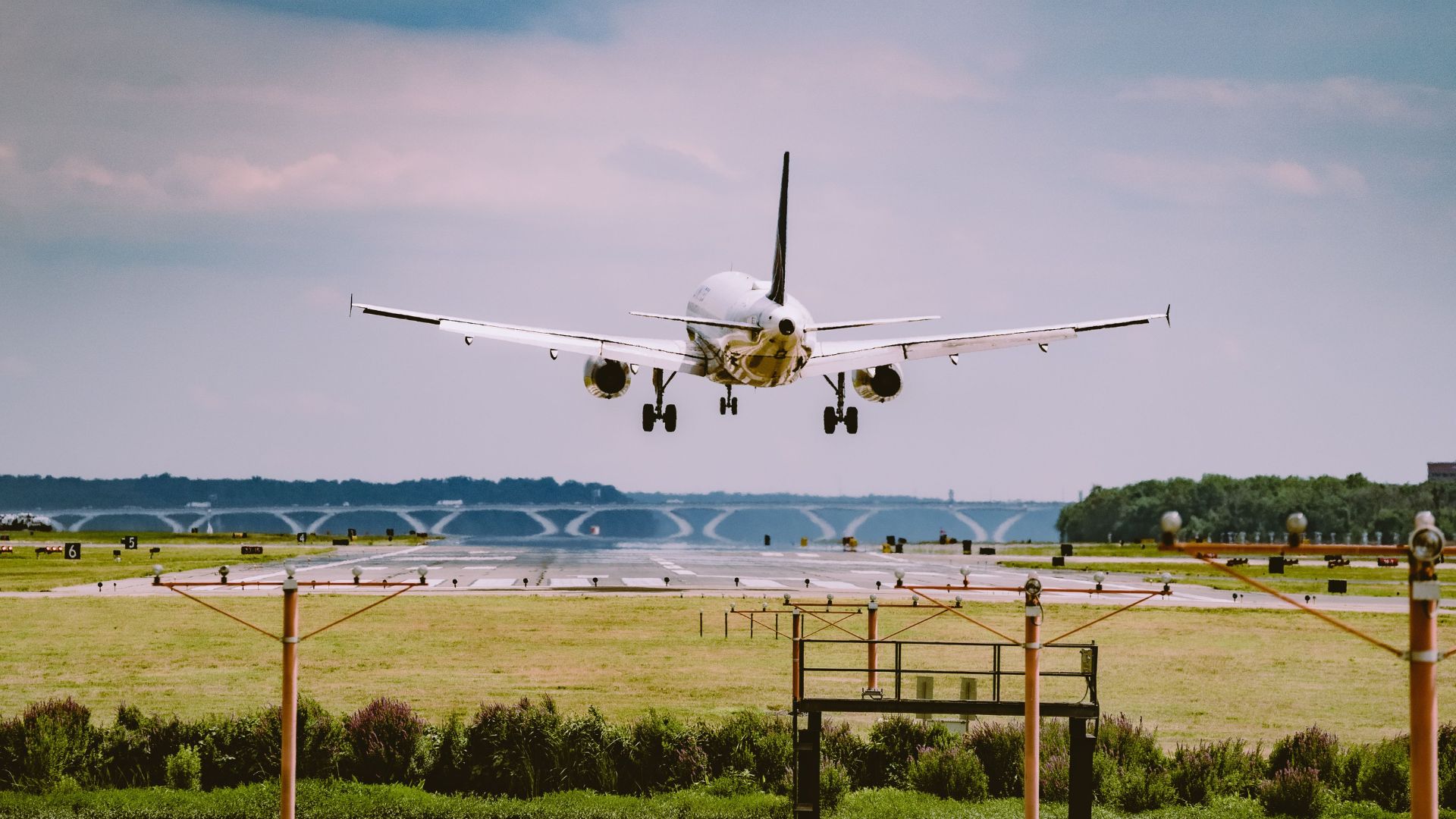






Aboitiz InfraCapital is quietly reshaping the country’s aviation landscape with accelerated improvements at Bohol Panglao Airport and Laguindingan Airport. Since taking over operations under a thirty year concession the company has moved quickly to address long standing infrastructure gaps.
Passenger access repairs baggage carousel servicing and assessments of power supply systems were among the first items completed. The upgrades aim to reduce bottlenecks and improve the overall travel experience which has been a growing concern in regional gateways.
The company plans to raise Panglao Airport’s capacity by twenty five percent within two years and nearly double throughput to almost four million passengers by two thousand thirty. For Laguindingan Aboitiz will be working with Ireland based daa International to manage operations and implement more advanced systems.
These efforts come at an important time. With Manila’s main gateway struggling under congestion regional airports are becoming critical to dispersing economic activity. Cebu Mactan has shown what private sector management can deliver and airlines are increasingly adding flights from non Manila hubs.
If sustained Aboitiz’s model could redefine airport development in the Philippines. But success hinges on consistent regulation and political support. Investors need assurance that long term concessions will be protected from shifting policies or political interference.
Regional aviation is one of the few areas where private sector expertise can create immediate nationwide impact. Better airports attract tourists reduce costs for airlines and stimulate local economies. The challenge is to ensure that governance keeps pace with infrastructure upgrades.
The current improvements show what can be achieved when operators are given autonomy and a clear mandate. With continued execution regional airports could emerge as the country’s next engines of growth.