
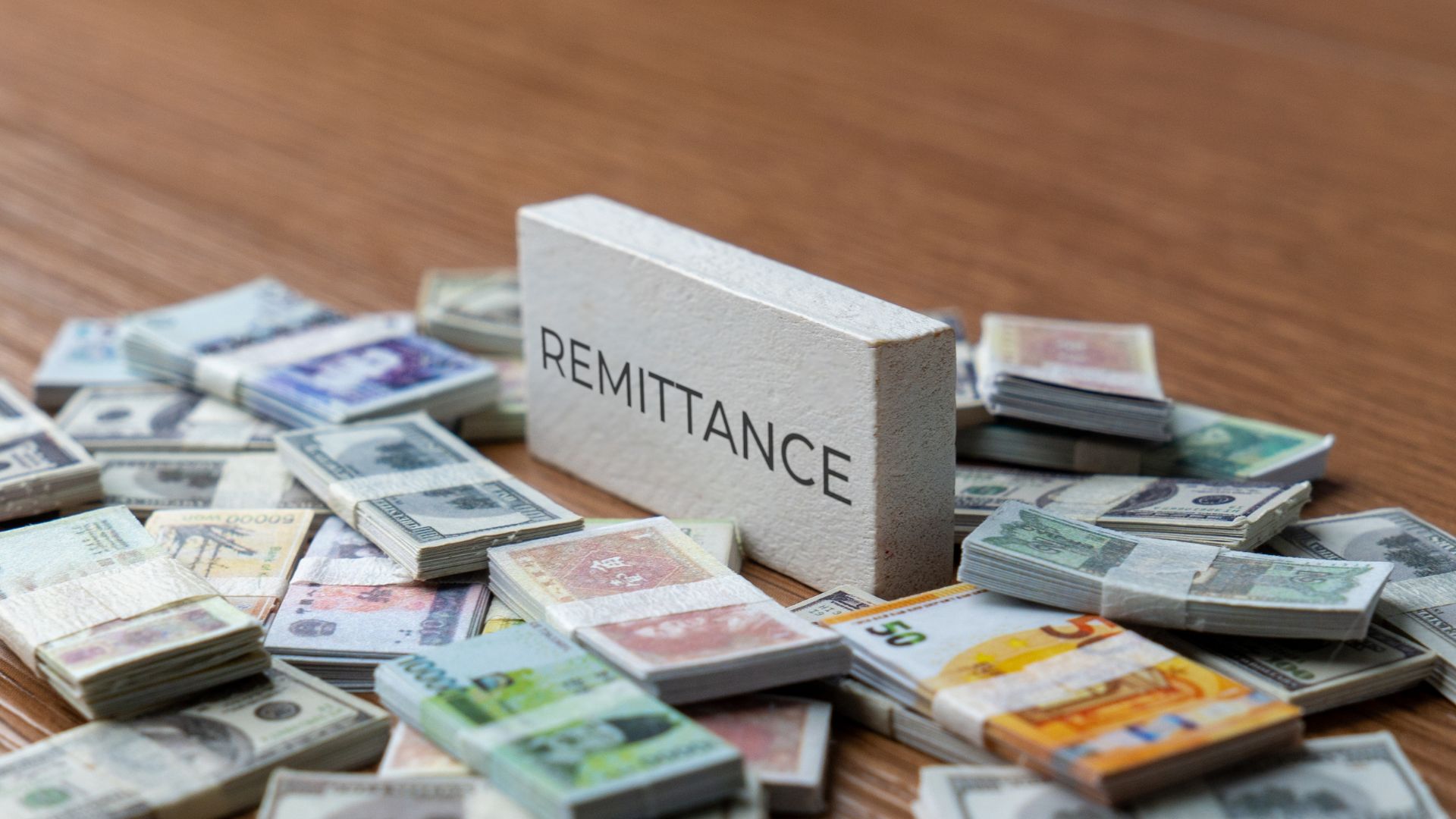






Every month, billions of dollars flow into the Philippines from its overseas workers. These remittances are the unsung hero of the economy, cushioning families against inflation and providing steady consumption even when growth slows. For many households, they pay school tuition, medical bills, mortgages, and daily expenses.
In fact, remittances have become so reliable that they often exceed foreign direct investment inflows. During times of crisis such as pandemics, global recessions, or domestic downturns—they act as a stabilizer, keeping the economy afloat.
But economists warn this dependence is a double-edged sword. The Philippines relies heavily on the sacrifices of workers abroad, many of whom endure long hours and separation from families. A global downturn, stricter immigration rules, or instability in host countries could disrupt this lifeline. Worse, heavy reliance masks the lack of quality domestic jobs, leaving the country vulnerable.
Impact: For families, remittances remain a vital safety net. For workers abroad, they are both an opportunity and a sacrifice. For the economy, they are both a blessing and a crutch—highlighting the urgent need to create sustainable, well-paying jobs at home so the Philippines doesn’t rely forever on labor export.