
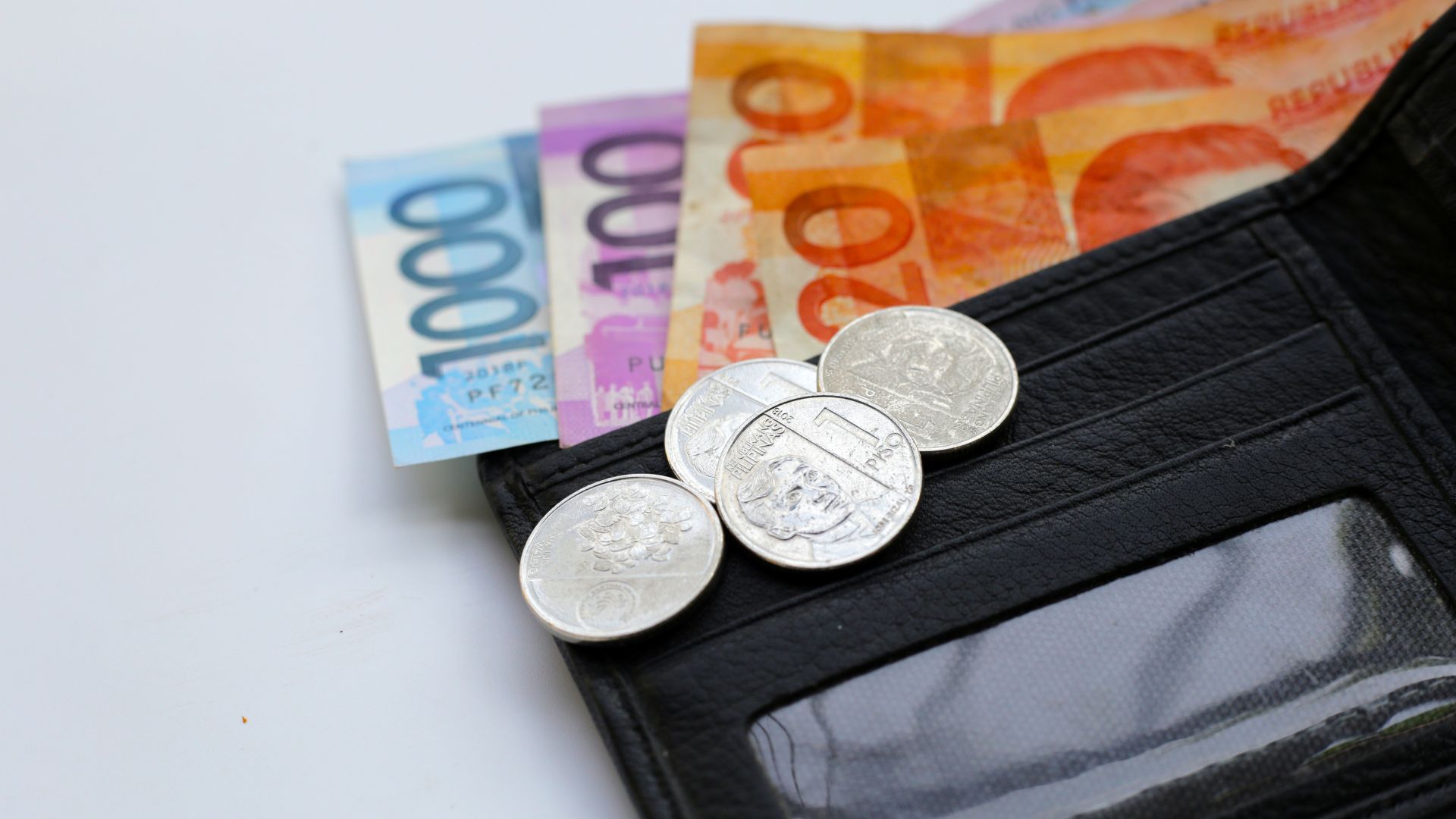






The peso’s back-and-forth battle with the US dollar is more than an economic indicator—it’s something ordinary Filipinos feel every day. A weaker peso means higher prices for oil, imported rice, medicines, and tuition for students abroad. Jeepney drivers pay more at the pump, bakeries face pricier wheat, and parents sending their kids to foreign universities must stretch their budgets.
For households dependent on imported essentials, volatility makes planning difficult. A sudden swing can erase savings or force families to cut back. Businesses, too, struggle—importers and manufacturers often operate on thin margins, and unpredictable exchange rates can make contracts risky.
Yet the story isn’t all bad. Exporters benefit when a weaker peso makes their goods more competitive abroad. Families receiving dollar remittances from overseas Filipino workers see their money go further at home.
Impact: Consumers are left with thinner wallets, workers face uncertain job security in import-heavy industries, and investors navigate volatile markets. Policymakers must walk a fine line: letting the peso move enough to support competitiveness while ensuring stability so families don’t bear the brunt of sudden swings.