
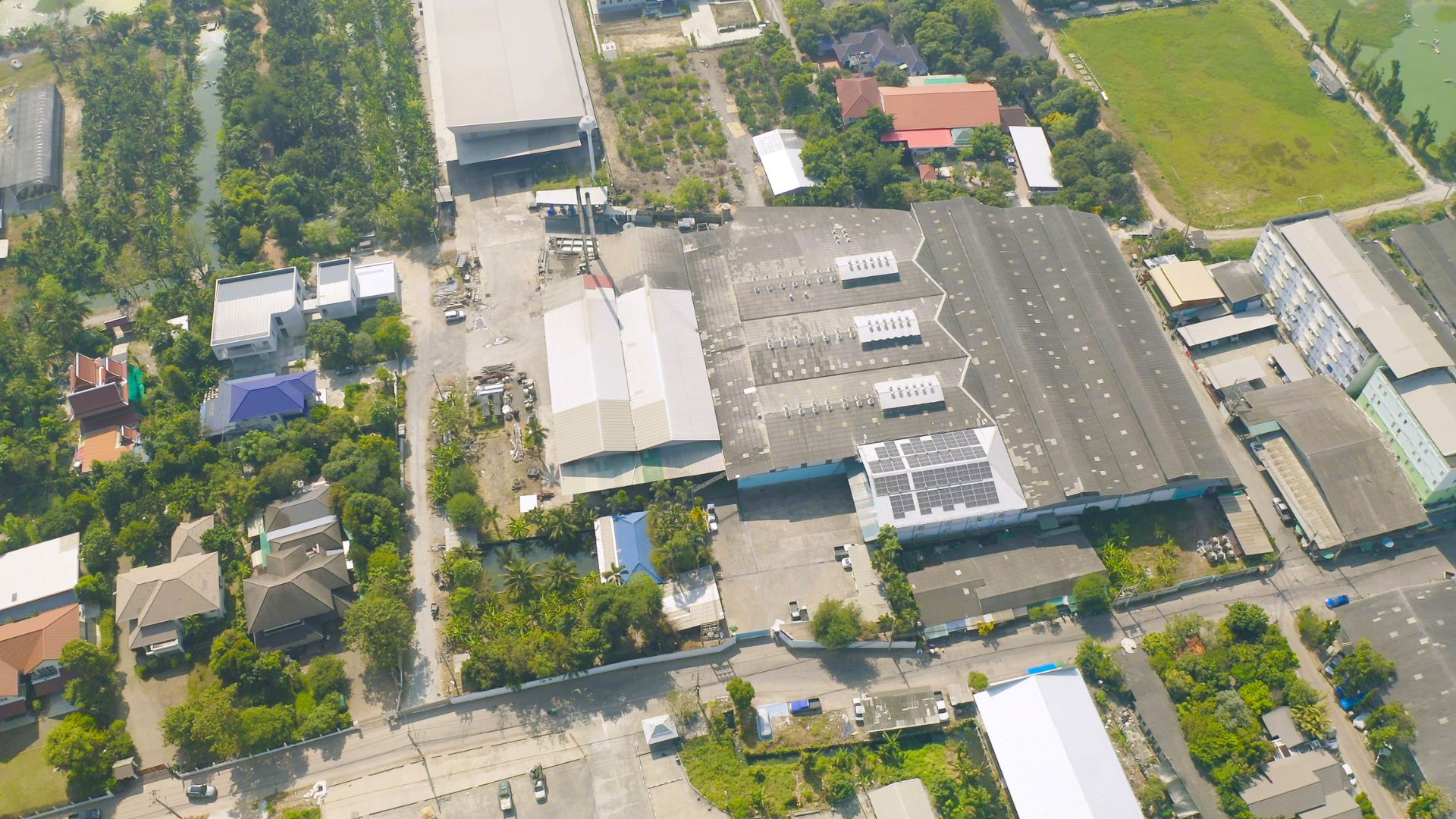






The Philippines has opened the door wider to foreign investors by passing a new law that extends maximum land leases to 99 years, up from the previous limit of 50 years plus a possible 25-year extension. For companies that cannot directly own land under Philippine law, this is being hailed as a game-changing reform that could reshape the country’s investment landscape.
Why It Matters
For decades, land ownership restrictions were seen as a stumbling block for foreign capital. While investors could lease land, the shorter maximum terms created uncertainty for long-horizon projects such as industrial estates, manufacturing hubs, renewable energy farms, and data centers. By extending lease terms, the Philippines is signaling to global firms: your investment here has a secure, multi-generational future.
Analysts say the move aligns the country more closely with regional peers, where long-term leases are already common, and removes a key psychological barrier for investors weighing whether to commit billions to infrastructure-heavy projects.
Opportunities Ahead
- Manufacturing and Logistics: Longer leases make it more viable for global manufacturers to set up large-scale factories or distribution hubs.
- Energy Projects: Solar, wind, and hydropower projects often need decades to achieve returns—longer leases improve financing prospects.
- Data Centers: With Southeast Asia becoming a hotspot for hyperscale data facilities, this reform could push the Philippines higher on the investment radar.
The Concerns
Not everyone is cheering. Land rights advocates warn that the reform could intensify land speculation and displacement risks in areas targeted for industrial or commercial development. Local farmers and indigenous groups may face increased pressure as foreign-backed projects gain more long-term security.
Government officials stress that the law doesn’t allow foreigners to own land outright; it only extends lease options. Still, the fine print on enforcement, transparency, and protection of vulnerable communities will determine whether the reform benefits all or fuels new tensions.
Bottom Line
The Philippines is betting that longer land leases = longer investments. If managed well, this could translate into more jobs, stronger infrastructure, and new revenue streams. But without careful guardrails, the reform could tilt power further in favor of corporations at the expense of local communities.
What this means for workers and locals: For Filipino employees, this could mean more job opportunities in factories, logistics hubs, and energy projects. For host communities, it could mean new roads, power lines, and urban growth—but also higher risks of displacement if safeguards aren’t enforced.