
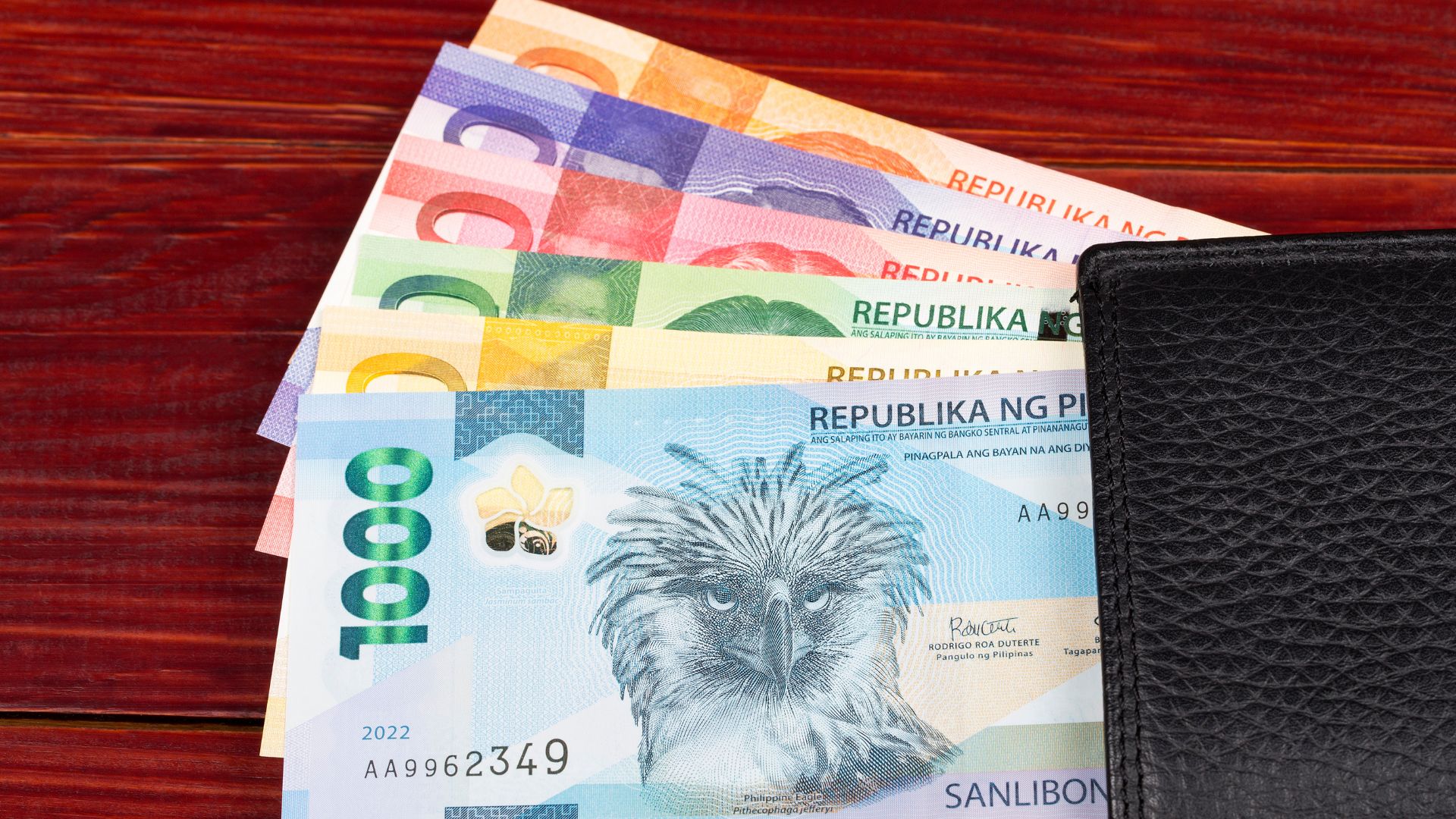






Cash remittances from overseas Filipino workers surged to $3.2 billion, the strongest level in seven months and already ahead of the Bangko Sentral ng Pilipinas’ growth forecast for the year.
The seasonal uptick was driven largely by back-to-school expenses, as families leaned on dollar inflows to cover tuition fees, uniforms, gadgets, and everyday household needs.
But the headline number tells only part of the story. Beneath it lies a picture of resilience mixed with vulnerability. On one hand, remittances remain the single most reliable source of foreign exchange for the Philippines, cushioning the peso and stabilizing consumer demand even when exports soften. On the other hand, it underscores how deeply the economy depends on the sacrifices of overseas workers.
Global risks also loom large. Demand from the US, one of the top destinations for Philippine exports, has been pressured by tariff disputes and slower growth. In many households, this means remittances are not just extra cash—they’re the buffer that keeps families from cutting back too hard when jobs or opportunities at home remain scarce.
What this means for families: For millions of Filipino families, these inflows remain the difference between stability and strain. They help pay school fees, mortgages, and everyday expenses. But the bigger question is long-term: can the Philippines build a stronger domestic job market to reduce dependence on OFW money? Until then, the economy’s heartbeat still lies in the paychecks sent from abroad.