
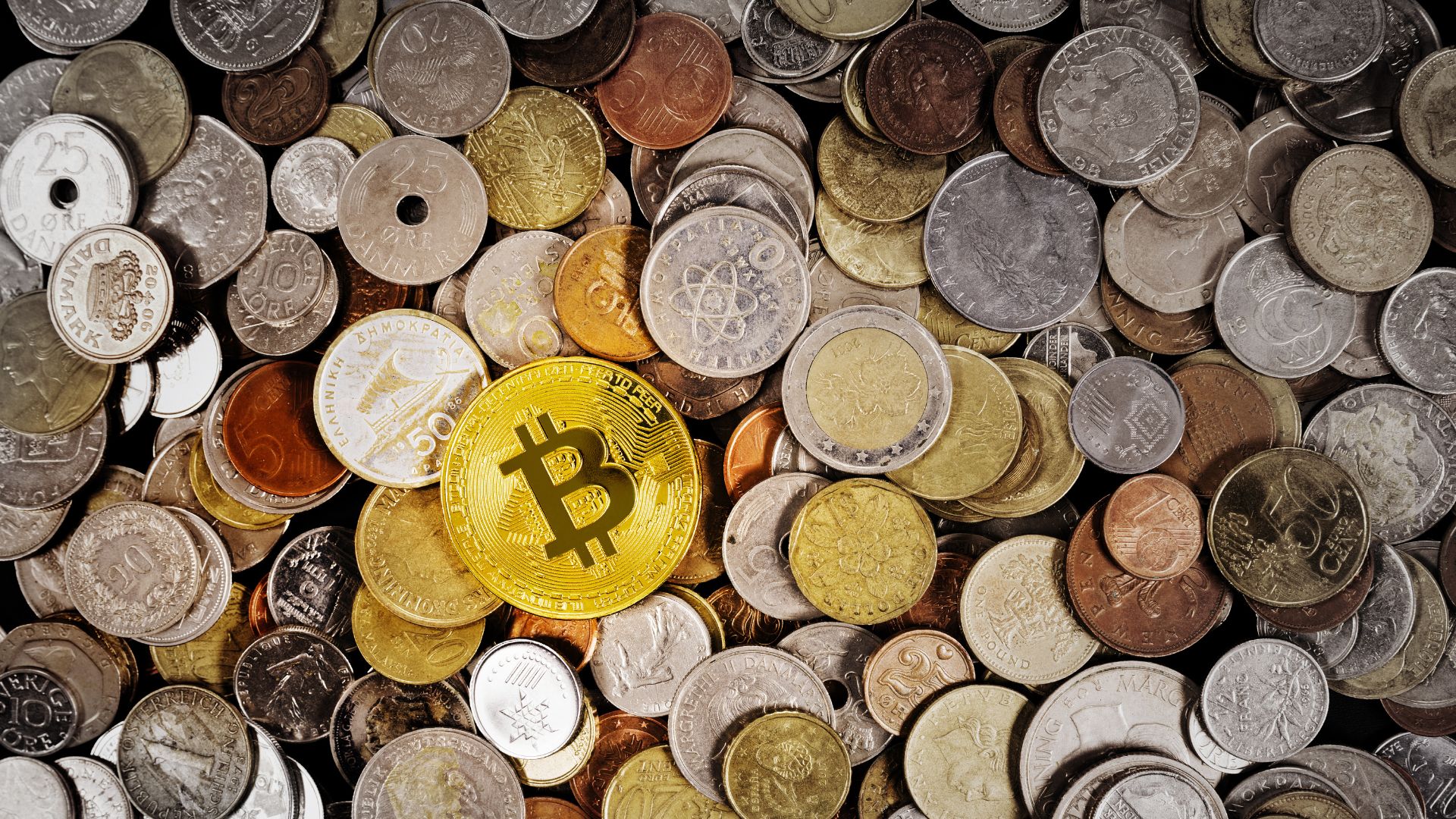






Even as regulators tighten the rules, crypto adoption in the Philippines remains among the highest in the world. With millions of Filipinos owning digital wallets, the country ranks consistently as a top market for crypto use.
The drivers are clear:
- Remittances – Overseas Filipinos continue to experiment with crypto for faster, cheaper cross-border transfers.
- Play-to-Earn Gaming – The Axie Infinity boom may have cooled, but it introduced a generation to Web3.
- Mobile-First Culture – A young population with high smartphone penetration makes crypto trading and payments easy to scale.
Local banks are taking notice. UnionBank has already launched its own stablecoin and crypto ATMs, while fintech startups explore ways to link blockchain with payments and lending. Despite regulatory hurdles, the appetite for crypto remains strong across both grassroots and institutional levels.
For consumers, the crackdown on unlicensed exchanges is a double-edged sword: it may limit access in the short term, but it also clears the way for safer, government-backed platforms. For investors, higher capital requirements raise the cost of entry but also promise more stability and trust in the long run.
Bottom line: The Philippines isn’t turning its back on crypto. It’s moving from wild west experimentation to a more stable, regulated future—without losing its reputation as one of the most crypto-hungry nations in the world.