
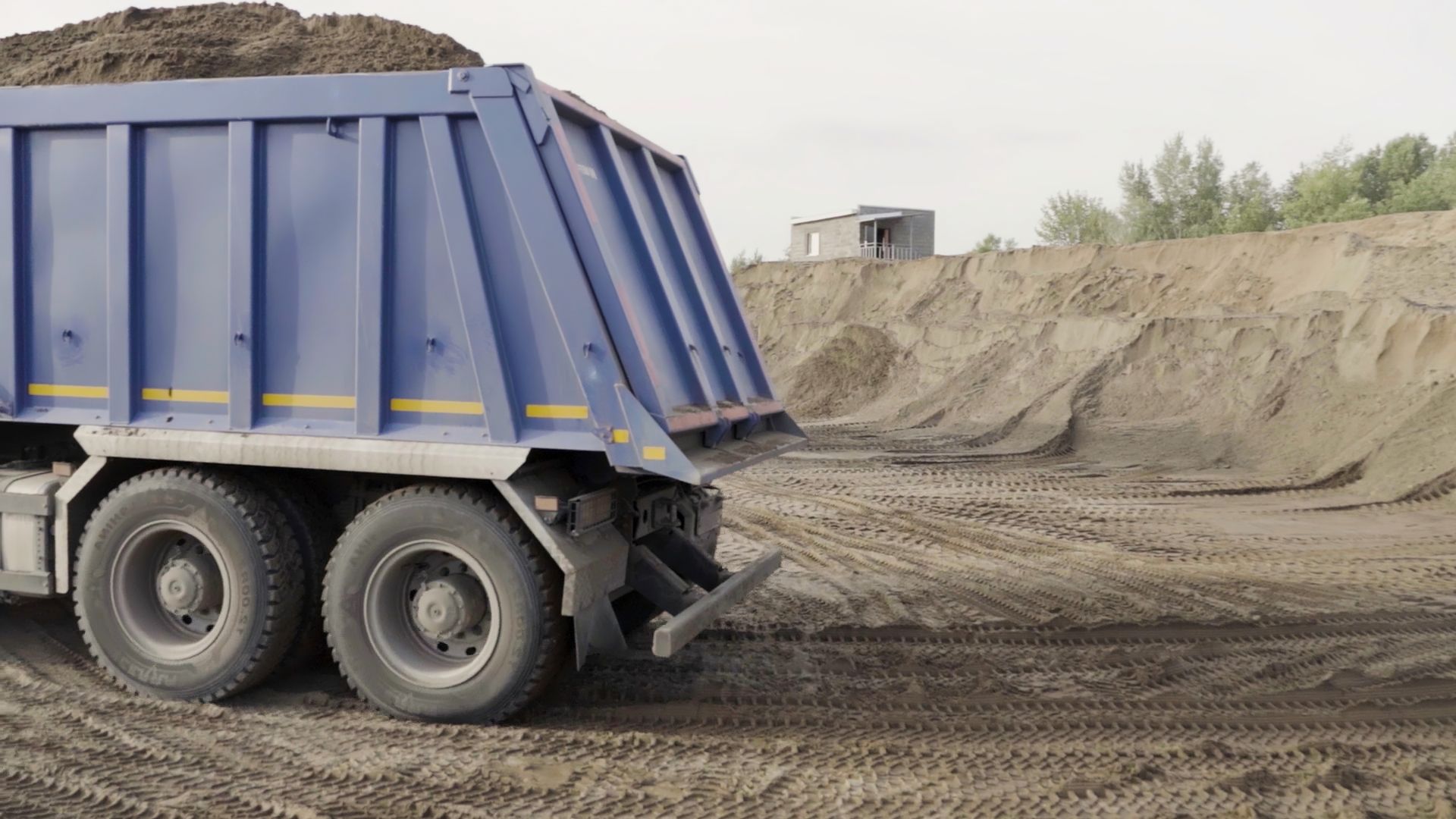






The Philippines has rewritten the rules of the mining game. With the signing of the Enhanced Fiscal Regime for Large-Scale Metallic Mining Act (RA 12253), the government is reshaping how revenues from nickel, copper, gold, and other critical minerals flow back to the people.
For decades, critics said the country was giving away too much of its mineral wealth while communities near mine sites bore the social and environmental costs. The new law promises to fix that imbalance.
What the Law Does
- Royalties: Mines inside government reservations pay a flat 5% royalty on gross output. Outside those zones, royalties scale from 1 to 5% of net income, with a minimum of 0.1% even in lean years.
- Windfall Profits Tax: If mining profits soar beyond 30%, a 1–10% levy ensures the state shares in the bonanza.
- Ring-fencing: Each mining project will be taxed separately, preventing companies from hiding profits by offsetting them with losses elsewhere.
- Stricter Oversight: The Bureau of Internal Revenue, Bureau of Customs, and the Mines and Geosciences Bureau will audit exports and sales more rigorously.
- Revenue Sharing: 40% of revenues from royalties, excise taxes, and fees will go directly to local government units in mining areas. Another 10% of royalties will fund environmental programs and research.
The Department of Finance estimates this could yield ₱25 billion between 2026 and 2029, or roughly ₱6.26 billion a year, a major boost to government coffers.
Why It Matters
Industry groups welcomed the law, noting that while taxes are higher, stability and predictability outweigh the burden. A clear fiscal framework could attract long-term investors eager to tap the Philippines’ mineral reserves, especially with global demand for green transition metals like nickel and copper soaring.
For the government, the reform is a potential jackpot: more money for national projects, stronger oversight, and a shot at finally bringing transparency to an industry long dogged by controversy.
But economists caution: profit-based taxes can be gamed through accounting tricks. The law’s promise hinges on strong regulators who can enforce the rules and track revenues honestly.
What This Means If You Live in a Mining Town
This law isn’t just about Manila. It could directly impact families in mining communities.
- Bigger LGU Budgets: With 40% of mining revenues earmarked for local governments, expect more funding for roads, schools, hospitals, and livelihood programs where mining happens.
- Stronger Environmental Safeguards: 10% of royalties are set aside for environmental rehabilitation and research, a long-overdue move to address the ecological scars left behind.
- Fairer Share of Wealth: The central idea is that mineral wealth should not only enrich corporations or the capital, but also uplift the towns that host these operations. The challenge is ensuring LGUs spend the money transparently.
Bottom Line
The Enhanced Fiscal Regime for Mining is a bold attempt to balance profit, fairness, and sustainability. If implemented well, it could turn mining from a sector associated with lost opportunities into a genuine engine of national and local development.
But as always, the true test lies ahead: execution. The law has opened the door; now it’s up to regulators, LGUs, and communities to make sure the wealth beneath our feet finally benefits the people standing above it.