
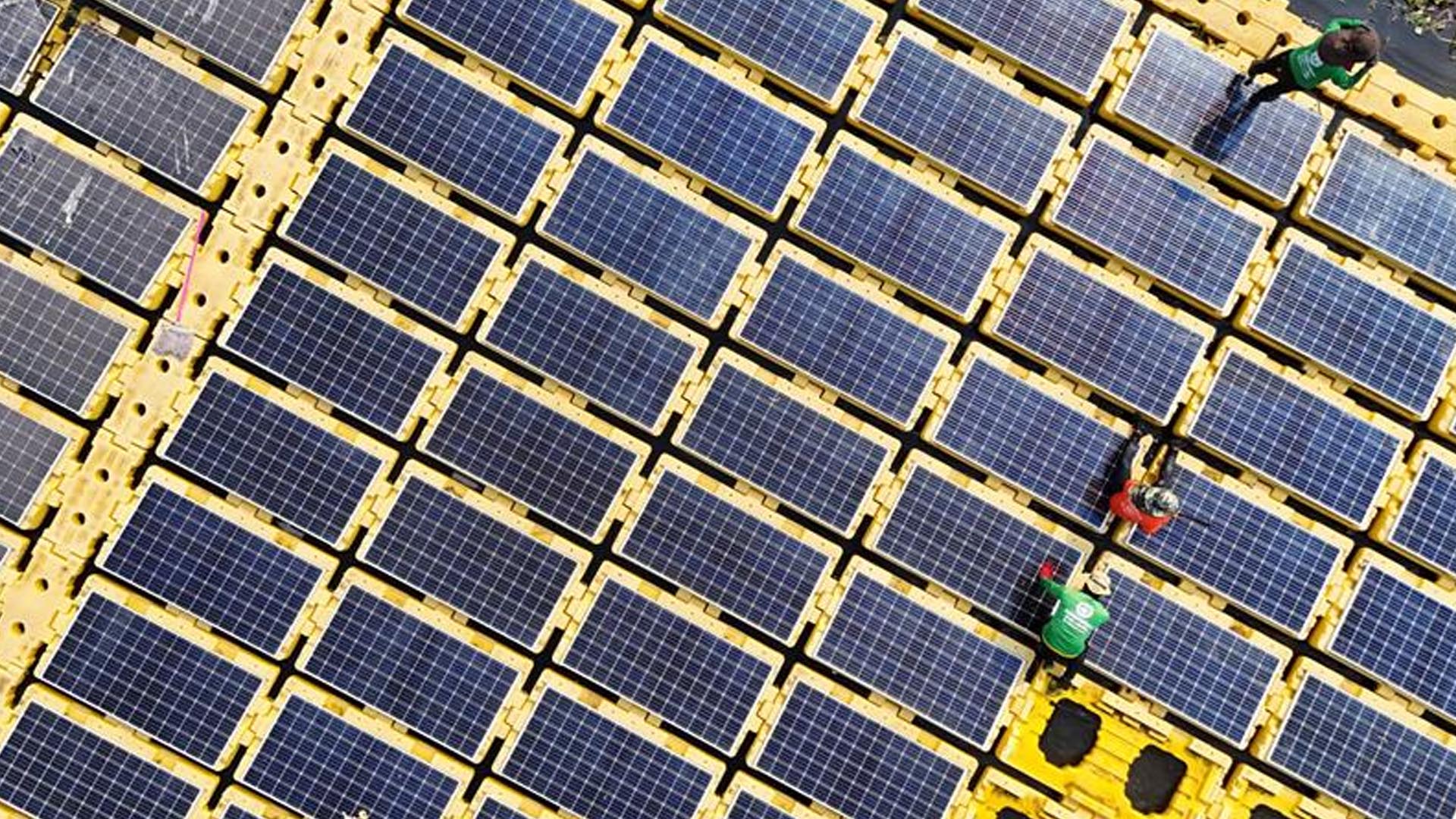






The Energy Regulatory Commission (ERC) has approved new rules designed to make rooftop solar more attractive and accessible to consumers. The move is part of the government’s push to expand renewable energy use while giving households and small businesses a way to lower their electricity bills.
Under the revised net metering program, consumers generating up to 100 kilowatts of solar power can sell unused electricity back to the grid and receive bill credits. The ERC’s latest amendments aim to simplify the process and boost participation:
- Transferable credits: Homeowners can now roll over unused solar credits to new property owners, giving added value to solar-equipped homes.
- Lower upfront costs: The installation of renewable energy certificate (REC) meters is now optional instead of mandatory.
- More transparency: Distribution utilities are required to publish clear program details online, including application forms and hosting capacities.
Energy Secretary Sharon Garin said her department is also working on ways to further streamline applications to encourage more households to invest in solar.
So far, 17,175 electricity end-users are registered under net metering, with a combined peak capacity of 157 MW as of May.
What it means for consumers
The updated rules could help Filipino households save on monthly bills, increase property values, and make solar power adoption more practical beyond early adopters. With electricity costs expected to remain high, industry watchers see this as a timely step to make renewable energy a mainstream option for ordinary consumers.
Bottom line: Net metering just became simpler, cheaper, and more flexible—putting rooftop solar within reach for more Filipino families.