






For generations, the Filipino boardroom has been defined by marble tables, leather chairs, and PowerPoint slides. But today’s deal-making often happens far from corporate headquarters. Increasingly, the real conversations and relationships that drive billions of pesos in business unfold beyond the bell.
From golf courses in Cavite to cycling routes in Nuvali, from private whisky tastings in Makati to charity galas in Bonifacio Global City, Filipino CEOs and tycoons are reinventing how they cultivate trust and influence. These spaces of leisure and lifestyle have become the new arenas of social capital where reputation is built, alliances are sealed, and deals are quietly set in motion.
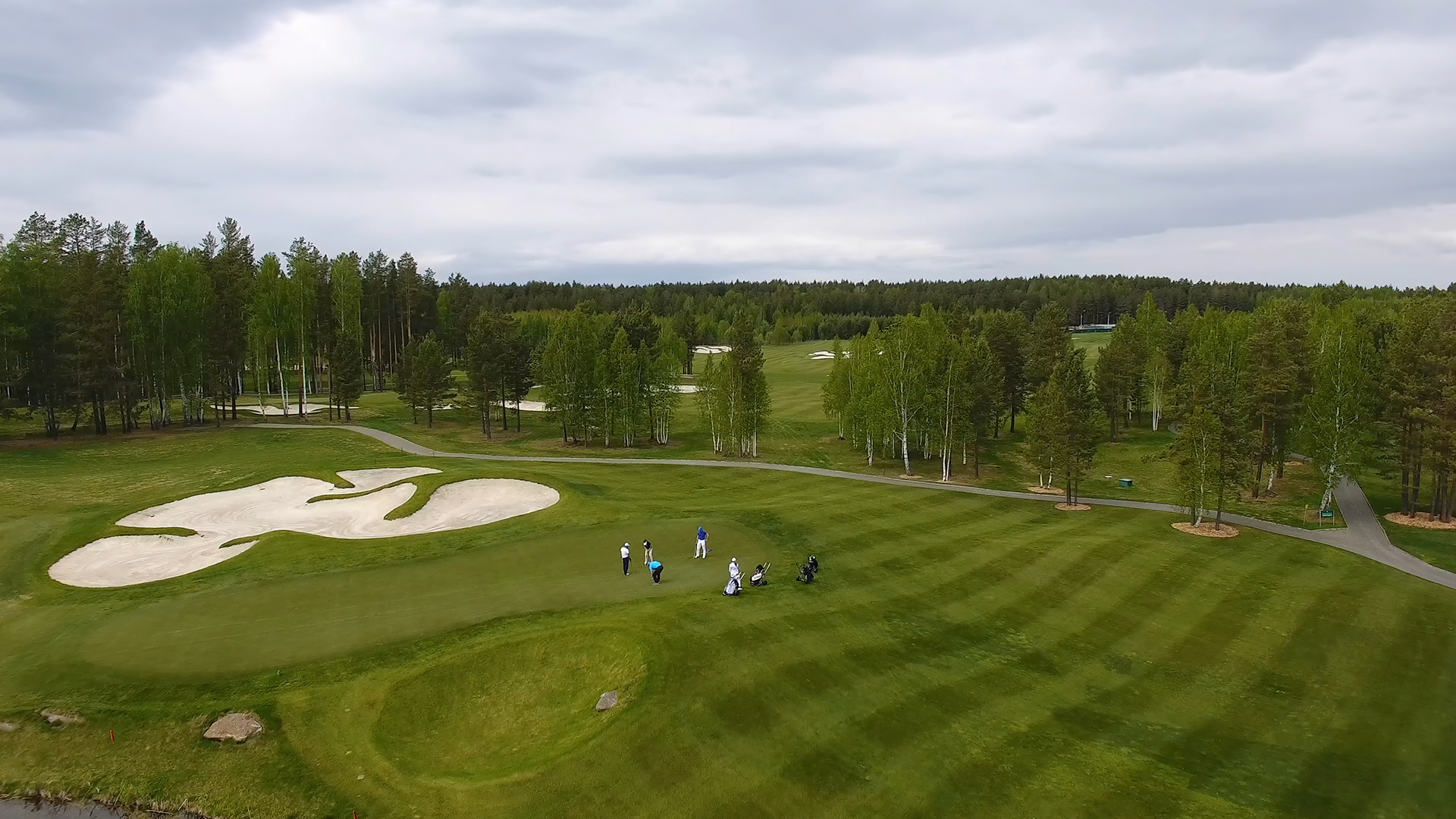
The Green Fairway Boardroom
Golf remains the ultimate business equalizer. Executives say 18 holes reveal more about a potential partner’s patience, discipline, and temperament than any formal negotiation. “You can’t fake four hours under the sun,” remarked one banking executive. “If someone cuts corners in golf, chances are they’ll cut corners in business too.”
Membership at exclusive courses like Manila Golf or Sta. Elena is now seen less as a perk and more as an entry ticket to decision-making circles. The waiting lists are long, but the access to peers, regulators, and even political figures is priceless.
The Peloton Effect
Cycling has become the sport of choice for a younger generation of leaders. Weekend pelotons, tight-knit groups riding out before dawn, double as mobile boardrooms. Here, hierarchy flattens: CEOs, startup founders, and mid-level directors ride side by side, bound by endurance and camaraderie.
“On the bike, titles disappear,” said a tech entrepreneur. “But the connections you form are real and they carry back into business.” Brands have caught on, sponsoring rides and creating exclusive events where corporate partnerships are born over kilometers, not cocktails.
Clubs, Kitchens, and Culture
Business leaders are also investing in softer forms of social capital. High-end whisky lounges, curated wine tastings, and even intimate dinners cooked by celebrity chefs are emerging as trust-building platforms. These are spaces where executives can step away from the corporate mask and reveal their personal selves.
Philanthropic events add another layer. Charity balls and foundation fundraisers offer executives a chance to burnish reputations not just as wealth creators, but as nation-builders. In an era where ESG and sustainability matter to investors, the optics of giving back carry tangible value.
Reputation Beyond the Closing Bell
The shift reflects a broader truth about leadership today: influence is no longer confined to financial performance. In an economy where trust and credibility are scarce, where and with whom leaders spend their off-hours may matter as much as quarterly earnings.
As one property tycoon put it: “Balance sheets matter, yes. But social capital, the goodwill you earn in the spaces outside the office, is what sustains influence. Beyond the bell, that’s the real currency.”