
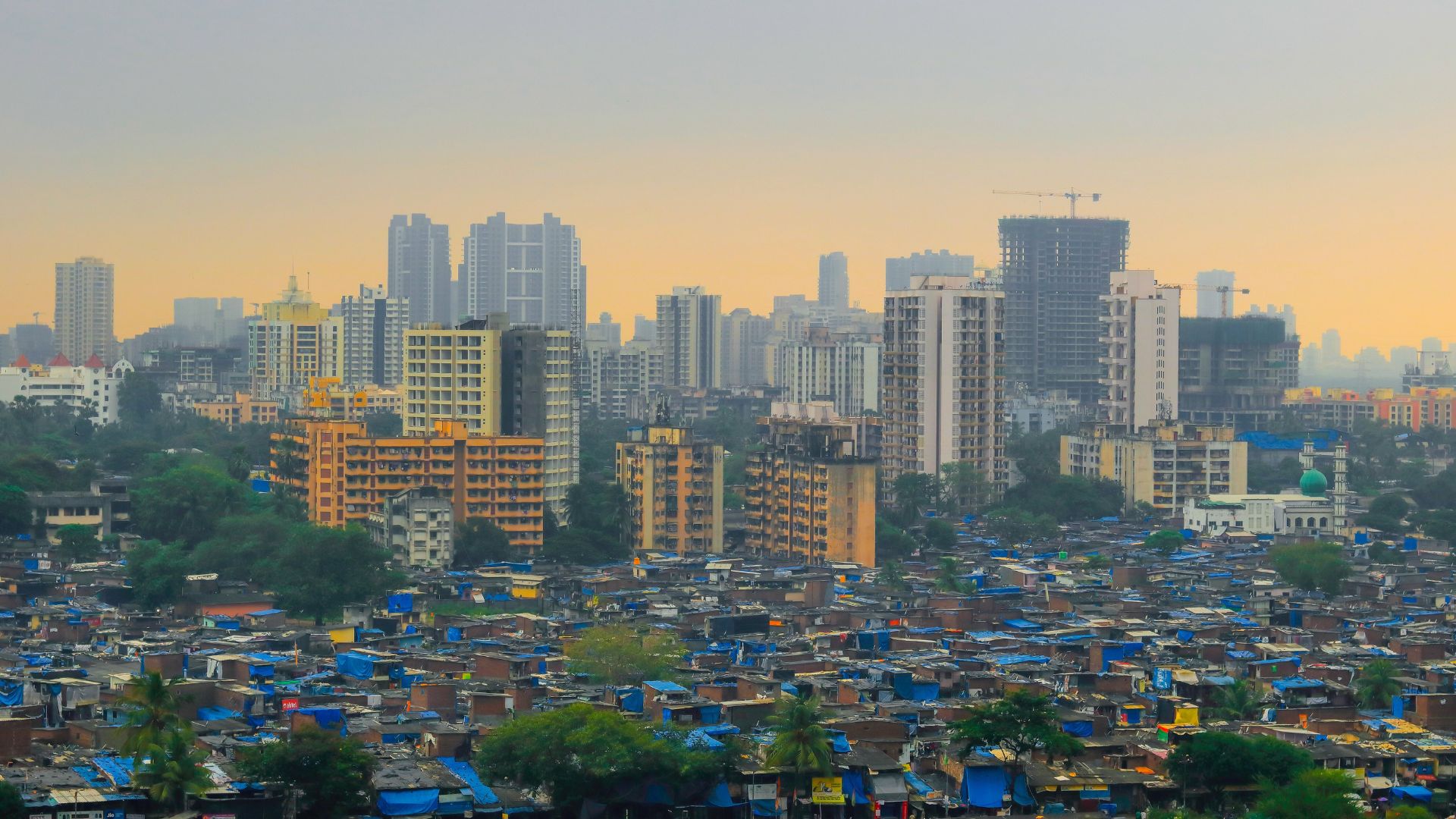






On paper, the numbers look encouraging. Growth projections remain positive. Corporate earnings recover. New developments rise along major highways. Government agencies speak of momentum and resilience. From a distance, the Philippine economy appears to be moving forward.
Yet for many Filipinos, that growth feels abstract. It exists in reports, press briefings, and investor decks, but not always in daily life. The economy may be expanding, but the benefits feel concentrated, distant, and unevenly felt.
This disconnect has become one of the quiet tensions shaping public sentiment.
Growth You Can See, But Not Feel
In business districts like Bonifacio Global City and parts of Makati, cranes dominate the skyline. New offices, hotels, and residential towers signal confidence. Consumption remains visible in malls, restaurants, and entertainment venues.
Outside these pockets, the experience is different. In provincial towns and outer urban areas, households feel pressure rather than lift. Jobs exist, but wages remain tight. Costs rise faster than incomes. Stability requires constant adjustment.
A retail supervisor in Nueva Ecija watches news about record profits posted by large conglomerates. His own income has barely changed. The macro story does not translate into micro relief.
Where Growth Concentrates
Economic growth in the Philippines often clusters around specific sectors and locations. Finance, real estate, energy, and large-scale retail benefit disproportionately. Urban centers capture investment. Capital-intensive projects generate returns but fewer jobs relative to scale.
Meanwhile, sectors that employ large numbers of Filipinos, such as agriculture, services, and small enterprises, see slower gains. Productivity challenges, climate risk, and thin margins limit wage growth.
The result is growth that looks impressive at the top and modest at the base.
Wages Lag Behind Output
One of the clearest signs of uneven growth is wage stagnation. Output rises. Profits improve. But compensation growth remains cautious.
Employers cite uncertainty, global risk, and cost pressures. Workers experience the outcome as a delayed reward. The promise that growth will eventually trickle down feels increasingly distant.
For many households, growth becomes something to read about rather than rely on.
Consumption Without Comfort
Consumption continues, but it is increasingly financed by adjustment rather than confidence. Credit fills gaps. Savings are thin. Spending becomes strategic.
Malls remain full, not because people feel wealthy, but because participation in economic life still requires spending. Appearances mask fragility.
This creates a misleading signal. Activity is mistaken for prosperity. Movement is mistaken for progress.
The Social Cost of Uneven Growth
When growth feels personal only to a few, trust erodes quietly. People do not reject growth itself. They question its fairness.
This skepticism shapes attitudes toward institutions, corporations, and policy. Optimistic narratives ring hollow when lived experience contradicts them.
Younger Filipinos are particularly sensitive to this gap. They work hard, stay educated, and remain employed, yet feel excluded from the rewards they were promised.
Why This Matters for Business
For businesses, uneven growth carries long-term risk. Consumers under pressure spend cautiously. Loyalty weakens. Volatility increases.
Employees disengage when they feel disconnected from success. Retention suffers. Morale becomes fragile.
Companies that benefit most from growth face rising expectations to demonstrate shared value. Silence is increasingly interpreted as indifference.
The Policy Challenge
For policymakers, the challenge is not simply to generate growth but to broaden its impact. Infrastructure, education, agriculture modernization, and support for small enterprises matter as much as headline GDP.
Growth that remains concentrated may look strong, but it lacks durability.
People do not need growth to be equal. They need it to be visible in their lives.
When Numbers Stop Convincing
Economic growth loses meaning when it stops convincing people that effort will be rewarded. When progress feels reserved for a narrow group, optimism fades.
Filipinos are pragmatic. They understand cycles. They accept tradeoffs. What they struggle with is exclusion.
The economy may be growing. The question many quietly ask is who that growth is really for.
Until growth feels less like an announcement and more like an experience shared across households, the gap between numbers and reality will continue to widen.
And in that gap, confidence slowly drains, not with anger, but with resignation, which is far harder to reverse.