






At a time when energy security and cost stability are becoming strategic imperatives, First Gen Corp.’s renewable energy arm is making a decisive move.
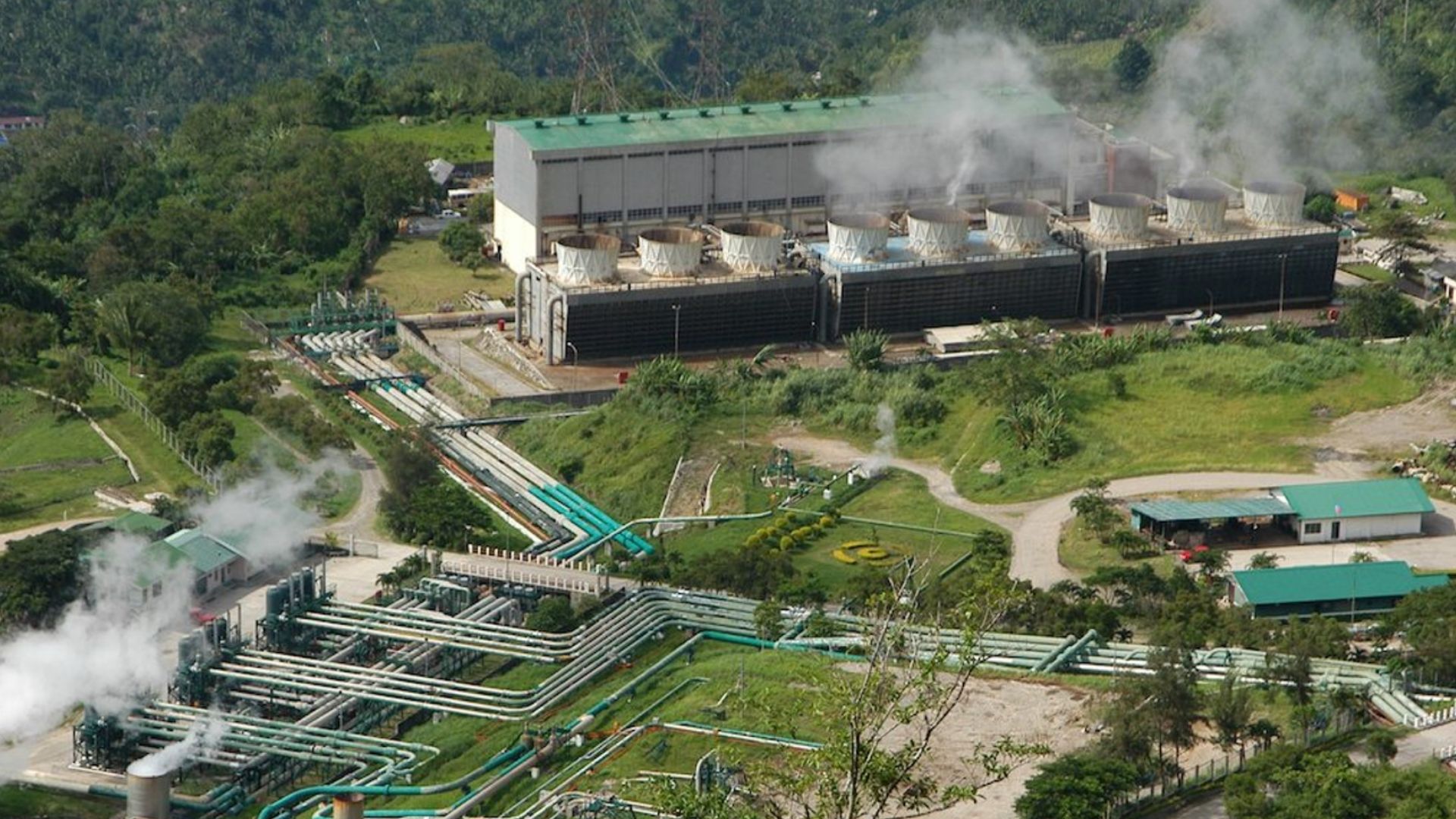
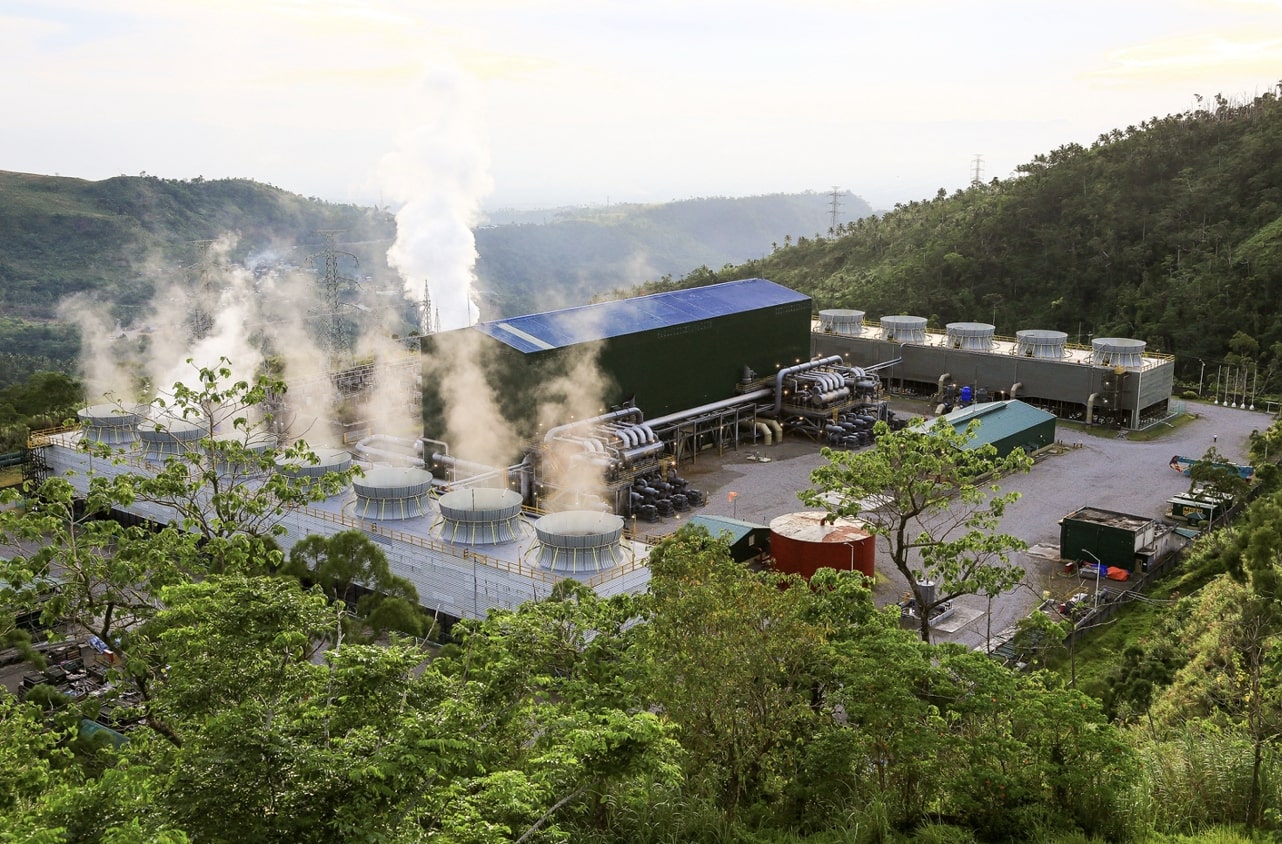
A unit of First Gen Corporation, Energy Development Corporation, is planning to invest up to PHP100 billion to expand and upgrade its flagship Leyte geothermal power complex. The proposed modifications to the Tongonan Geothermal Project would raise the facility’s total rated capacity from 637.21 megawatts to 967.224 megawatts, a substantial leap that underscores the company’s long-term confidence in geothermal as a backbone of the country’s energy mix.
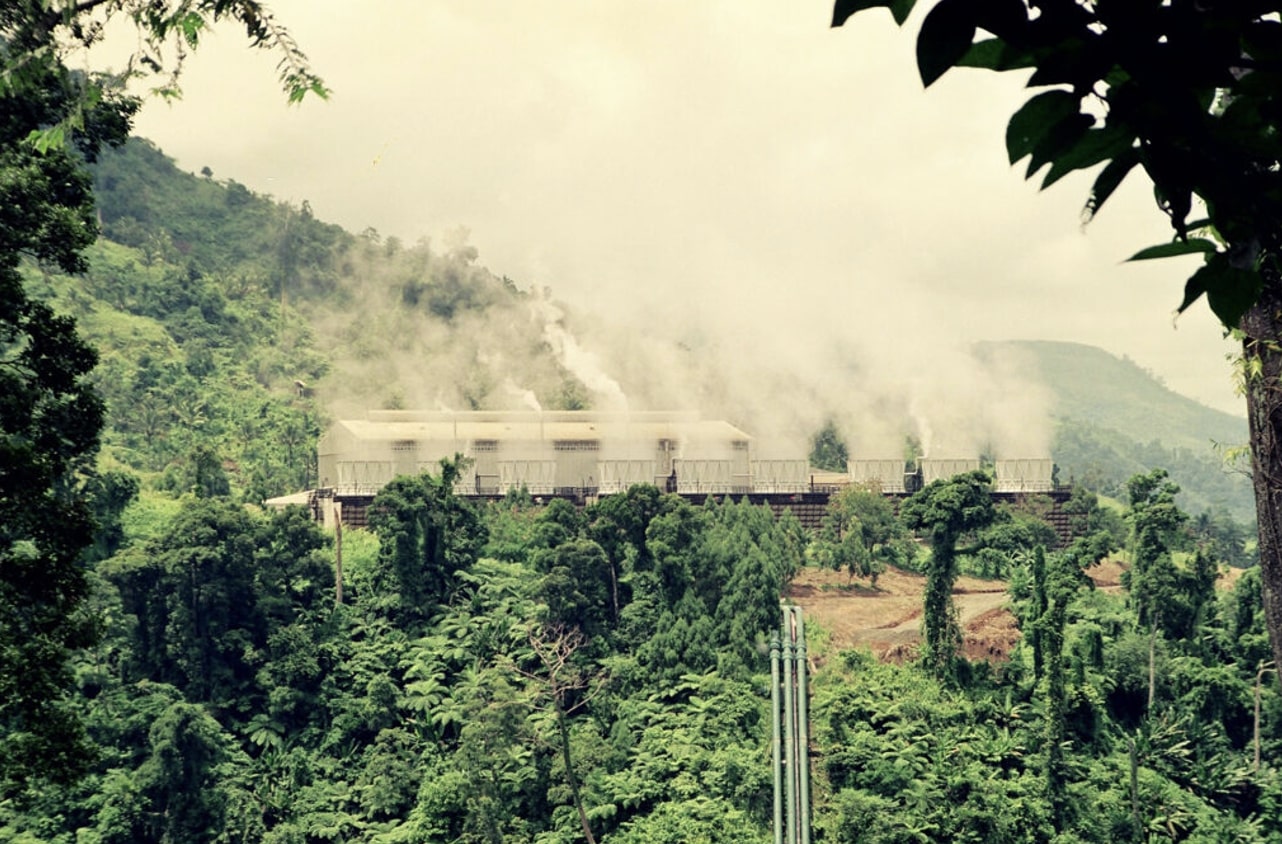
The expansion is not a short-term undertaking. Construction and commissioning of new facilities are expected to begin this year, with all proposed upgrades slated to be fully operational by 2029. It is a multiyear, capital-intensive bet that reflects how power developers are increasingly thinking beyond immediate demand cycles and toward structural shifts in energy consumption.
For EDC, the investment reinforces its position as one of the world’s largest geothermal producers and a central player in the Philippines’ renewable energy transition. Unlike solar and wind, geothermal offers baseload capacity, delivering stable power regardless of weather conditions. In a grid often strained by volatility in fuel prices and supply disruptions, that reliability carries strategic weight.
The scale of the planned capacity increase is also notable. Adding more than 330 megawatts to an existing complex through upgrades and new facilities suggests a focus on maximizing proven geothermal resources rather than pursuing entirely new greenfield projects. This approach reduces exploration risk while extending the productive life and efficiency of existing assets.
From a national perspective, the expansion aligns with broader policy goals. The Philippines remains heavily exposed to imported fossil fuels, particularly oil and coal, leaving electricity prices vulnerable to global price swings and currency pressures. Investments that deepen domestic, renewable baseload capacity help insulate the economy from these external shocks while supporting decarbonization targets.
The Tongonan upgrade also highlights how capital deployment in the power sector is becoming more deliberate. A PHP100 billion commitment spread over several years requires confidence not just in resource availability but also in regulatory stability, long-term demand growth, and the economics of renewable power pricing. It signals that EDC and First Gen are positioning geothermal not as a transitional solution but as a core pillar of the country’s future energy system.
For investors, the move reinforces First Gen’s identity as a long-horizon infrastructure player rather than a cyclical energy stock. Large-scale geothermal projects do not deliver quick returns, but they offer predictable cash flows once operational, particularly under long-term power supply agreements. In an environment marked by market volatility and geopolitical uncertainty, that predictability has increasing appeal.
Execution, however, will be closely watched. Multiyear infrastructure projects face risks ranging from construction delays to cost overruns and permitting challenges. The timeline toward 2029 leaves little room for missteps if the targeted capacity increase is to be delivered as planned.
Still, the intent is clear. As the Philippines grapples with rising power demand, climate commitments, and exposure to imported fuel risks, EDC’s planned expansion in Leyte represents a strategic doubling down on geothermal energy. It is a reminder that in the energy transition, some of the most consequential moves are not the flashiest, but the ones that quietly secure reliable power for decades to come.