
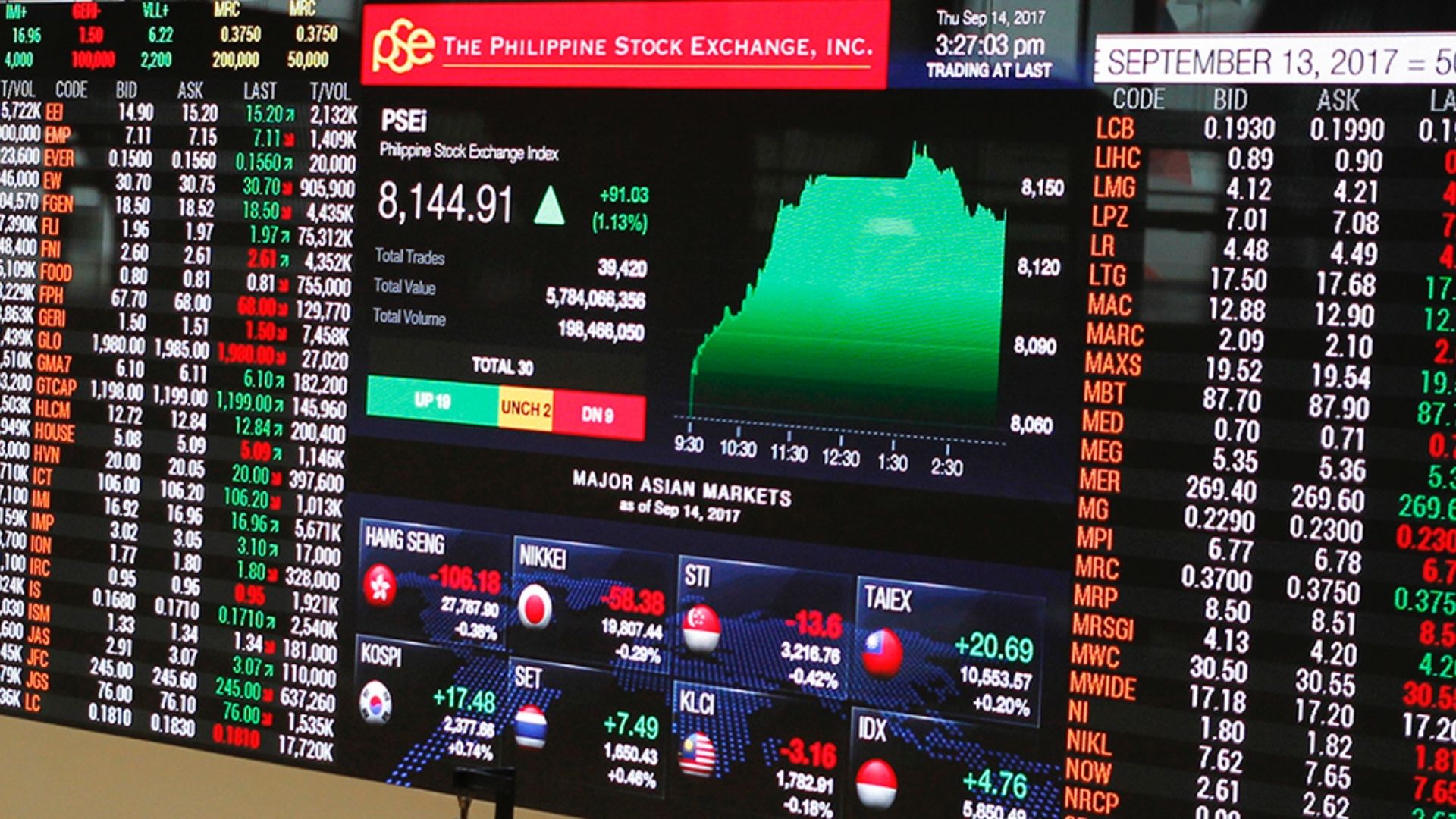






Philippine equities are starting the year with cautious momentum.
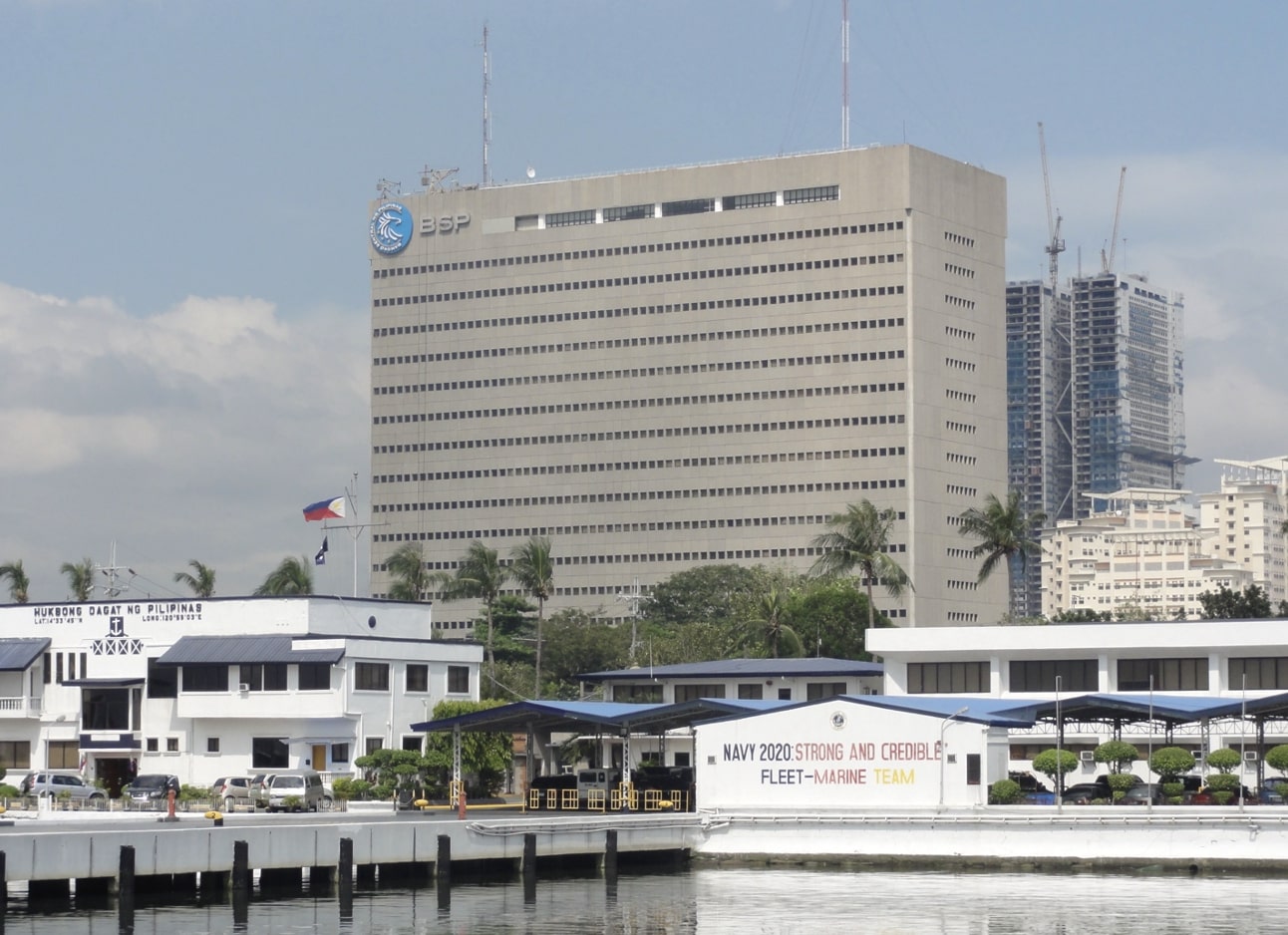
The benchmark index is now up 4.9 percent month to date, buoyed largely by expectations that the Bangko Sentral ng Pilipinas may adopt a more supportive stance to help push economic growth. For investors, the rally reflects renewed optimism that monetary policy could tilt toward accommodation after a period of tight financial conditions.
But beneath the surface, the market’s advance remains fragile.
External and domestic risks continue to shape sentiment, with energy prices emerging as a key pressure point. A sharp rise in global oil prices would quickly feed into the Philippine economy through higher transport fares, food costs, and electricity bills. Inflation, which has shown signs of easing, could again become a concern if fuel-driven price pressures accelerate.
The country’s structural exposure to oil compounds the risk. The Philippines imports the bulk of its petroleum requirements and pays for these in US dollars. As oil prices rise, demand for dollars increases, putting additional strain on the peso. The currency has already weakened by 0.7 percent week on week, trading at around PHP59.25 against the dollar, a level that underscores how quickly external shocks can spill into domestic markets.

For equities, this creates a familiar tension. Hopes of policy support from the central bank are colliding with global uncertainties that remain largely outside the country’s control.
In this environment, market participants are gravitating toward defensiveness rather than chasing high beta trades. The preference is increasingly for companies with resilient consumption exposure and predictable earnings streams, businesses that can withstand cost pressures and softer macro conditions without significant damage to margins or demand.
Among consumer names, investors continue to favor Jollibee Foods Corp., Century Pacific Food, SM Investments Corp., and GT Capital Holdings. These companies are seen as proxies for steady domestic consumption, anchored on food, retail, and diversified income streams that remain essential even in periods of economic uncertainty.
At the same time, defensive positioning is extending beyond consumption. Providers of essential services and steady yield income are again finding favor as investors seek stability amid volatility. Utilities, water, connectivity, and real estate investment trusts offer earnings visibility and, in many cases, dividend support that helps cushion portfolios against market swings.
Names such as Manila Electric Company, Manila Water Company, Converge ICT Solutions, and MREIT reflect this tilt toward essentials and income stability.
The broader takeaway is that the current rally is being driven more by expectations than by a clear shift in fundamentals. A supportive central bank stance could provide breathing room for growth, but it will not fully offset the impact of external shocks such as rising oil prices, currency pressures, and global risk aversion.
As a result, positioning remains selective. Investors appear willing to participate in the upside, but only through companies that can defend earnings, pass through costs when necessary, and continue delivering cash flows even if macro conditions deteriorate.
For now, the market is moving higher, but with its guard up. The balance between optimism on policy and caution on risk is likely to define trading in the weeks ahead.