






The Philippine energy sector is entering 2026 with a clear paradox. On one hand, renewable energy capacity is expanding rapidly. On the other hand, coal remains part of the near-term power mix, reflecting the complex realities of energy security and transition.
ACEN has fully transitioned its entire generation portfolio to renewable energy after divesting its diesel plant assets last year. Its attributable capacity now stands at 7 gigawatts, spanning operating plants, projects under construction, and projects backed by signed agreements.
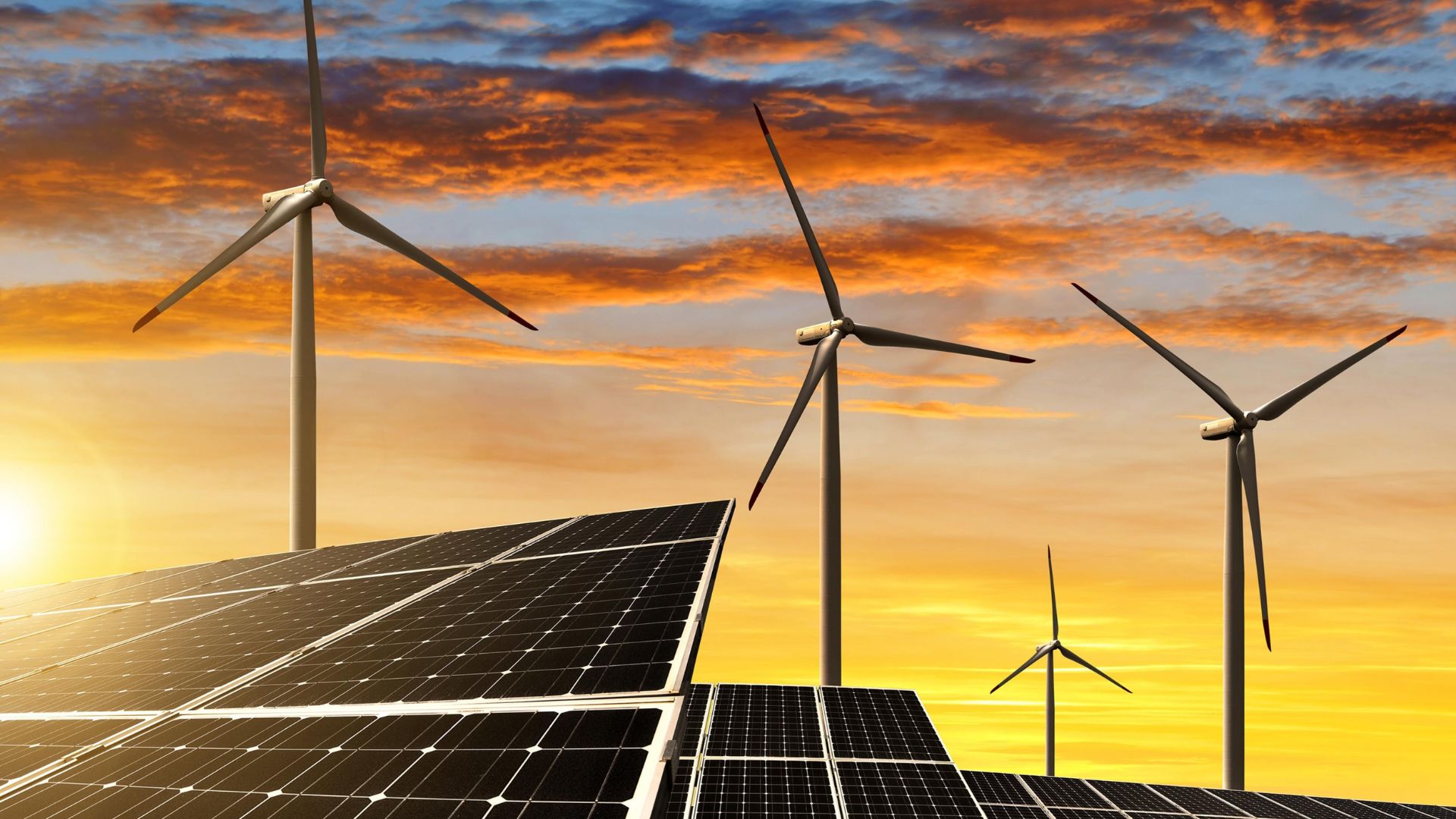
The portfolio is dominated by solar and wind, supported by geothermal and battery storage facilities. ACEN plans to allocate more than ₱80 billion in capital expenditures in 2026 to support large-scale renewable projects both locally and abroad.
At the same time, Meralco’s power generation arm, MGEN, is proceeding with the development of a 73-megawatt coal-fired power plant in Toledo, Cebu, with construction expected to begin in early 2026 and completion targeted for 2028.
These contrasting strategies highlight the tension between long-term decarbonization goals and short-term power supply requirements. Renewable energy offers sustainability and cost advantages over time, but grid stability and baseload requirements continue to challenge rapid transition.
Electricity demand continues to grow, driven by urbanization, digital infrastructure, and industrial activity. Until storage and grid upgrades are fully scaled, coal remains part of the solution, despite environmental concerns.
For investors, the energy landscape presents both opportunity and risk. Renewable leaders are attracting capital, while traditional power players face increasing scrutiny over environmental, social, and governance performance.
For consumers, energy decisions translate directly into electricity prices, reliability, and long-term environmental impact. How these competing strategies converge will shape the country’s energy future over the next decade.