
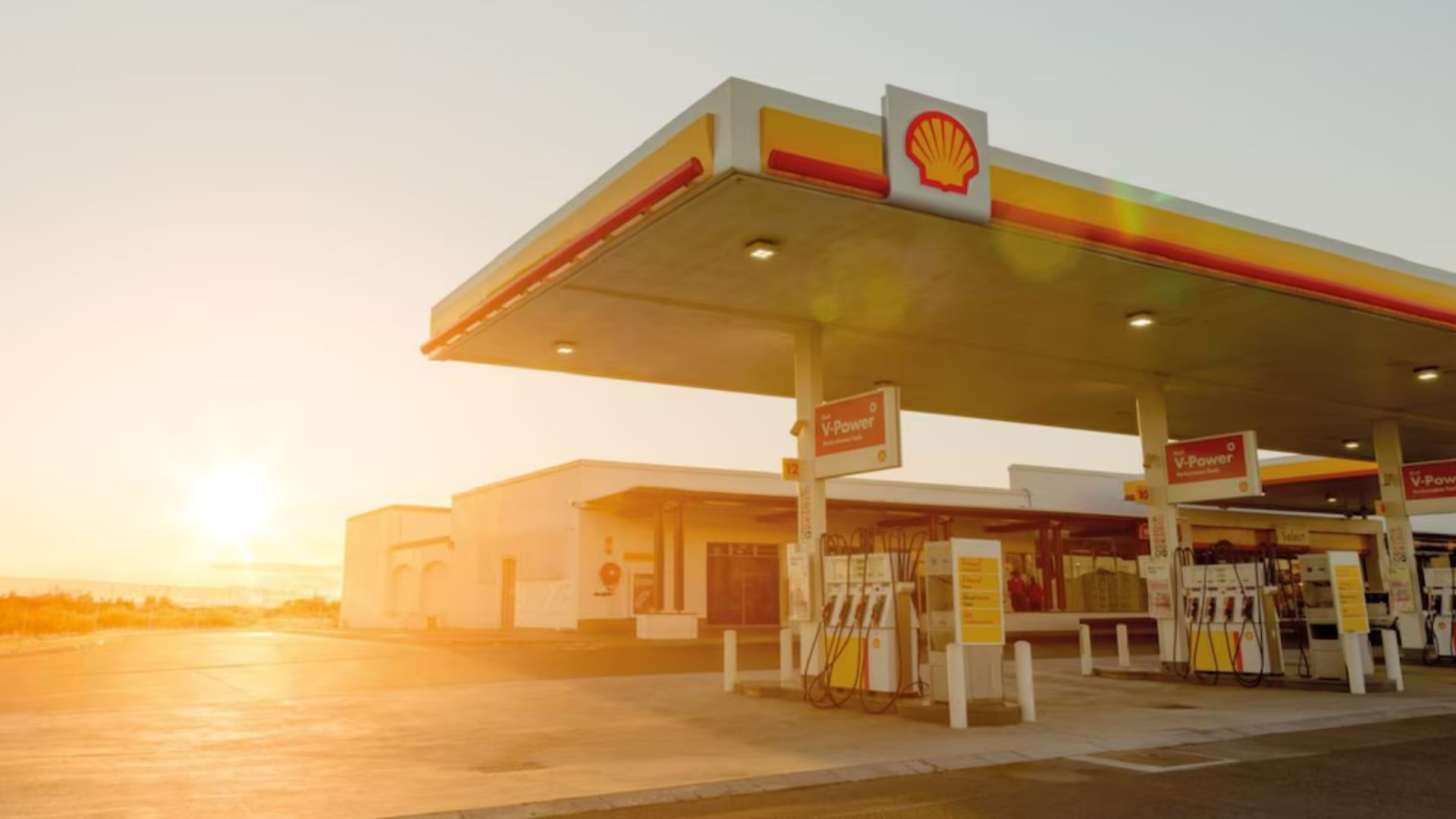






Pilipinas Shell is taking an unusual step to rebuild investor confidence. Beginning in 2026, its top executives will be required to personally purchase one hundred thousand shares each, a move the company says will align leadership interests with those of shareholders. The purchase must come from their own funds and must be maintained for the duration of their tenure and for one year after stepping down.
The policy covers senior leaders, including the president and chief executive officer, the finance chief, and eight vice presidents across mobility, logistics, governance, and commercial functions. The company says the rule promotes long term accountability and demonstrates the management teams commitment to Shells future.
Market watchers say the gesture is symbolically strong but financially limited. At current prices, the required investment is relatively small compared with executive compensation, and analysts note that the share price has fallen so far since the companys initial public offering that the requirement is not a significant financial burden. Shells stock has lost nearly ninety percent of its value since debuting at sixty seven pesos per share nine years ago, making it one of the weakest IPO performers in the Philippine market.
The company’s struggles began long before the policy was introduced. When Shell shut down its Batangas refinery in 2020, it shifted fully into downstream fuel retailing and distribution. This pivot narrowed margins and exposed the business to intense competition from independent oil retailers. Without refining operations or diversified energy assets, Shell has been vulnerable to global oil price fluctuations and rising competition from leaner, price driven local players.
For investors, the share ownership rule signals an attempt to rebuild trust after years of underperformance. Yet analysts emphasize that Shells deepest challenges are strategic rather than symbolic. The company must show how it can grow in an energy landscape that is increasingly shaped by renewable power, electrification, and new mobility models. Without new revenue drivers, the market will remain skeptical.
Consumers are watching as well. Shell continues to operate one of the largest fuel station networks in the country, but shifting preferences toward price sensitive alternatives and the future rise of electric mobility may require a major reinvention of the companys retail model. Industry watchers say the executive share purchase rule is a first step in signaling accountability, but investors are looking for a broader transformation plan that will define Shells next decade.