
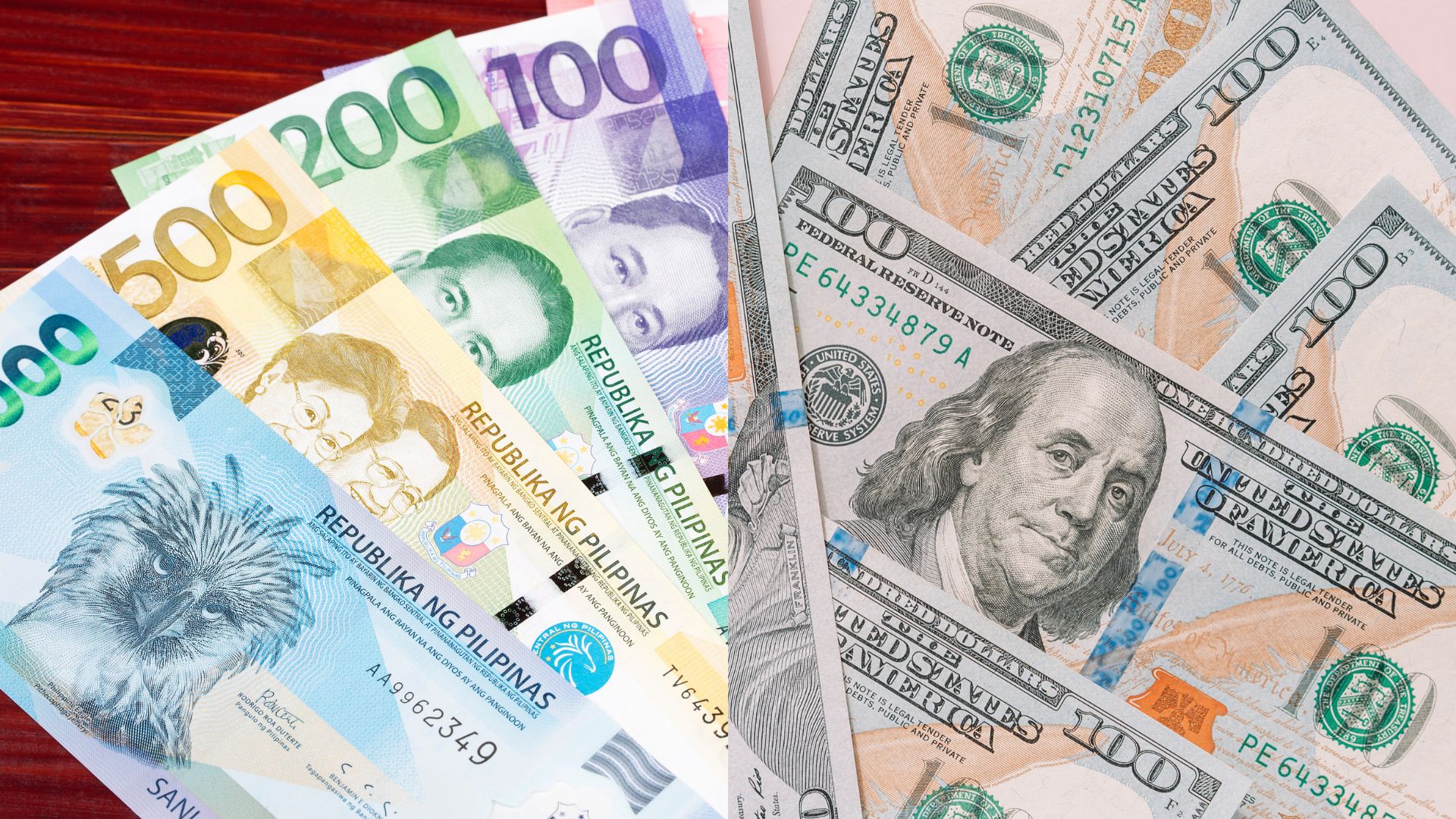






The peso’s steady slide against the dollar and the Philippine Stock Exchange Index’s fall below 6000 have become visible signs of investor unease. The peso closed at 58.85 to the dollar last week while the PSE index slipped to 5988, continuing a month-long losing streak. Foreign investors have been consistent net sellers, pulling out more than a billion pesos in a week as confidence in local assets remains fragile.
Analysts at BDO Securities said the twin declines reflect broader concerns about slowing growth, delayed government spending, and rising political noise. The weaker peso makes imported goods and fuel more expensive, adding to inflationary pressure that affects businesses and households alike. Import-dependent sectors such as airlines, food manufacturers, and retailers are struggling to contain costs, while exporters and business process firms that earn in dollars are enjoying temporary relief.
For everyday Filipinos, the peso’s weakness translates to higher prices for essentials, especially oil, rice, and electricity. Families receiving remittances from abroad may gain slightly as each dollar converts to more pesos, but the advantage is often erased by rising local prices. Economists warn that the real risk is not the level of the peso itself but the erosion of public confidence that follows when people feel their money buys less each week.